Opening room…
Skip to content
Head-to-Head Archival Dossier · Storytelling
zajal vs Karagöz Turkish Shadow Play: Side-by-Side Archival Comparison
Side-by-side comparison of zajal (Lebanon, Lebanon) and Karagöz Turkish Shadow Play (Bursa & Istanbul, Turkey) across cultural family, chronology, materials, instruments, and living vitality.
12-Point Archival Comparison Table: zajal vs Karagöz Turkish Shadow Play
Study & Syllabus Export Tools · CC BY-SA 4.0
| Dimension | 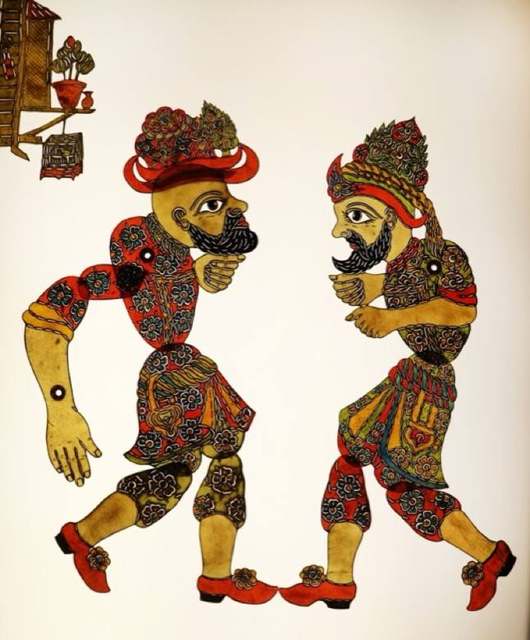 Karagöz Turkish Shadow Play | |
|---|---|---|
| Tradition Name | zajal | Karagöz Turkish Shadow Play |
| Native Script / Endonym | زجل | Karagöz ve Hacivat |
Key Differences Between zajal and Karagöz Turkish Shadow Play
- Geography & Origin: zajal is rooted in Lebanon, Lebanon (attested Historical oral & textual attestation), whereas Karagöz Turkish Shadow Play originates in Bursa & Istanbul, Turkey (attested 16th century).
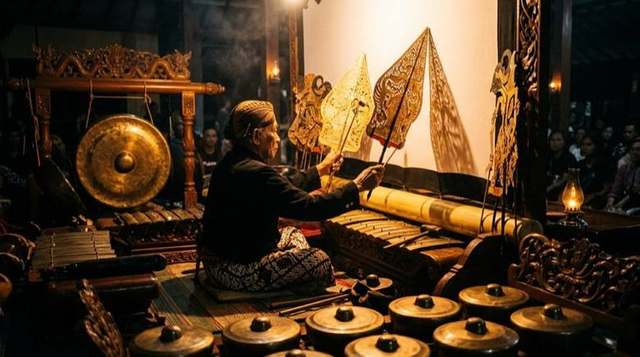
- Classification & Form: zajal belongs to the Storytelling family (Zajal (Arabic: زجل) is a traditional form of oral strophic poetry declaimed in a colloquial dialect. The earliest recorded zajal poet was Ibn Quzman of al-Andalus who lived from 1078 to 1160.), while Karagöz Turkish Shadow Play is documented under Storytelling (Ottoman translucent camel-hide shadow theatre pitting the blunt, witty commoner Karagöz against the pedantic, educated Hacivat behind an oil-lit cotton screen.).
- Instruments & Materials: zajal is transmitted through regional performance and craft media; by contrast, Karagöz Turkish Shadow Play uses Def frame drum, Nareke reed kazoo, Zil cymbals, Translucent camel or water-buffalo rawhide, Vegetable root dyes, Backlit cotton ayna screen.
- Heritage Recognition & Vitality: zajal is assessed as STABLE (Documented in public ethnographic & archival sources), while Karagöz Turkish Shadow Play is assessed as FADING (Representative List (2009)).
Shared Cultural & Historical Parallels
- Both zajal and Karagöz Turkish Shadow Play belong to the Storytelling domain and transmit repertoire across generations through master-disciple lineage rather than commercial mass production.
- Across Lebanon and Turkey, both traditions demonstrate how local communities safeguard ancestral craft and performance knowledge through guild, temple, or village stewardship.
Frequently Asked Questions
What is the main difference between zajal and Karagöz Turkish Shadow Play?
zajal is a storytelling tradition from Lebanon, Lebanon (Zajal (Arabic: زجل) is a traditional form of oral strophic poetry declaimed in a colloquial dialect. The earliest recorded zajal poet was Ibn Quzman of al-Andalus who lived from 1078 to 1160.), whereas Karagöz Turkish Shadow Play is a storytelling tradition from Bursa & Istanbul, Turkey (Ottoman translucent camel-hide shadow theatre pitting the blunt, witty commoner Karagöz against the pedantic, educated Hacivat behind an oil-lit cotton screen.).
Where did zajal and Karagöz Turkish Shadow Play originate?
zajal originated in Lebanon, Lebanon (Historical oral & textual attestation). Karagöz Turkish Shadow Play originated in Bursa & Istanbul, Turkey (16th century).
What instruments or materials are used in zajal vs Karagöz Turkish Shadow Play?
zajal uses traditional regional instruments and media. Karagöz Turkish Shadow Play uses Def frame drum, Nareke reed kazoo, Zil cymbals, Translucent camel or water-buffalo rawhide, Vegetable root dyes, Backlit cotton ayna screen.
Are zajal and Karagöz Turkish Shadow Play recognized by UNESCO?
zajal heritage status: Documented in public ethnographic & archival sources. Karagöz Turkish Shadow Play heritage status: Representative List (2009).