Field dossier of living traditions assessed as Vulnerable, Endangered, or Critical due to aging master bearers, raw-material scarcity, or rural-to-urban migration.
| Tradition | Region / Place | Family | Attested | Recognition | Instruments / Materials | Vitality |
|---|---|---|---|---|---|---|
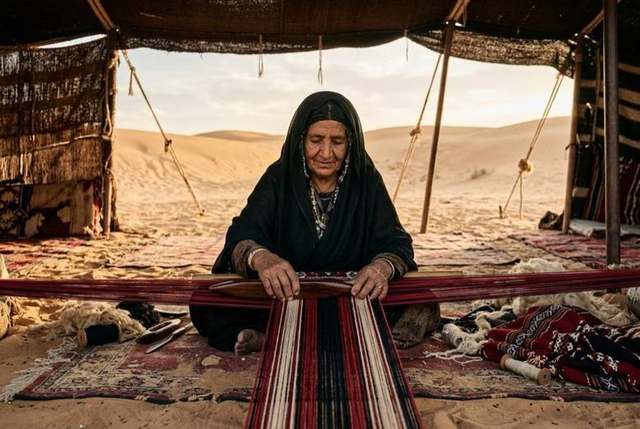
![]() Al Sadu Weaving السدو | Al-Ahsa & Badia, Saudi Arabia | Textile | Pre-Islamic | Representative List (2020) | Ground loom (nattu), Gazelle-horn beater (mansaf), Drop spindle (maghzal), Hand-spun sheep wool | ■■□□ Fading |
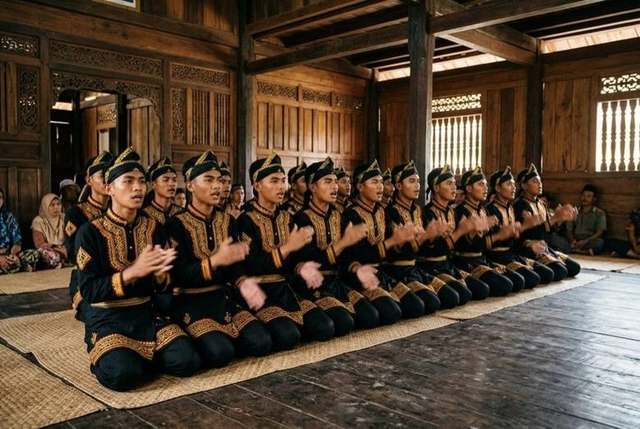
![]() Saman Tari Saman | Gayo Lues, Aceh, Indonesia | Music | 14th century | Urgent Safeguarding (2011) | Unaccompanied voice, Chest & palm percussion, Kerawang Gayo embroidered vest and headband | ■■□□ Fading |
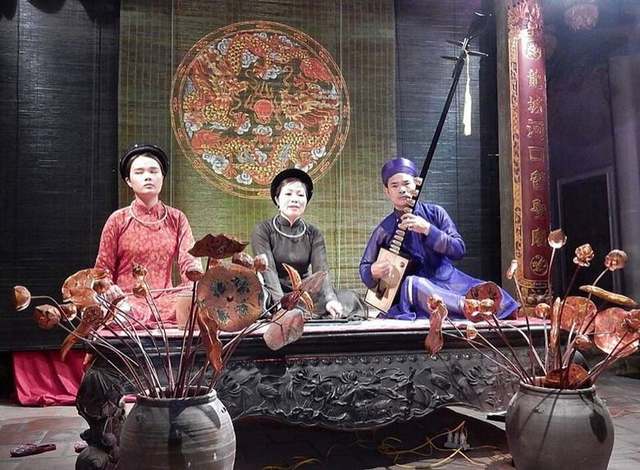
![]() Ca trù 歌籌 | Hanoi & Red River Delta, Vietnam | Music | 15th century | Urgent Safeguarding (2009) | Phách bamboo clappers, Đàn đáy three-stringed lute, Trống chầu praise drum | ■□□□ Critical |
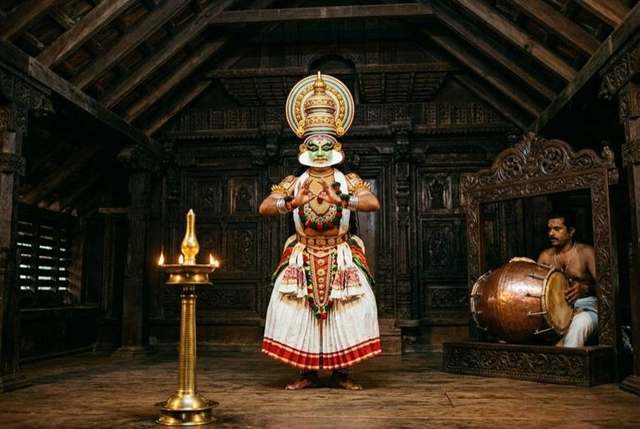
![]() Koodiyattam കൂടിയാട്ടം | Thrissur, Kerala, India | Craft | 10th century | Representative List (2008) | Mizhavu copper pot drum, Edakka, Kuzhithalam cymbals | ■■□□ Fading |
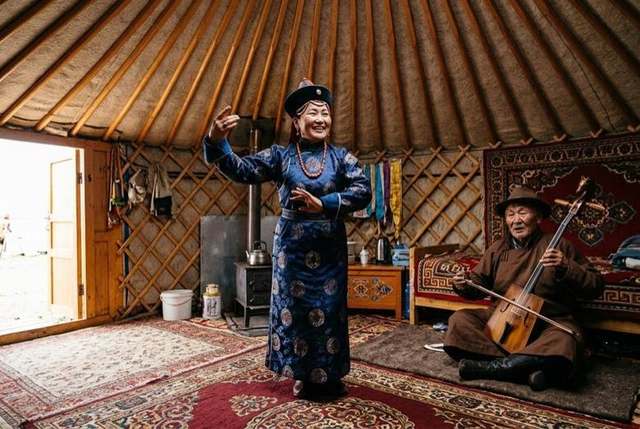
![]() Mongolian Biyelgee Монгол биелгээ | Khovd & Uvs, Western Mongolia, Mongolia | Dance | 13th century | Urgent Safeguarding (2009) | Ikel two-stringed fiddle, Tovshuur lute | ■□□□ Critical |
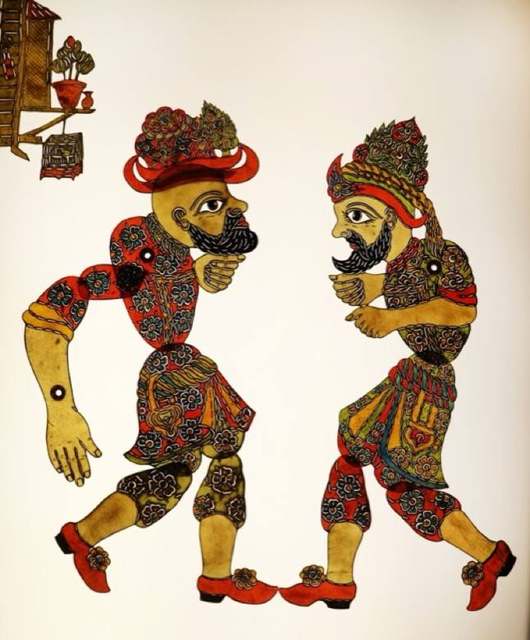
![]() Karagöz Turkish Shadow Play Karagöz ve Hacivat | Bursa & Istanbul, Turkey | Storytelling | 16th century | Representative List (2009) | Def frame drum, Nareke reed kazoo, Zil cymbals, Translucent camel or water-buffalo rawhide | ■■□□ Fading |
![]() Al Sadu | United Arab Emirates | Textile | Historical attestation | Archival Record | See cited room dossier | ■□□□ Critical |
Bedouin warp-faced plain weave woven on ground looms from hand-spun camel and sheep wool in desert-inspired geometric bands.
Gayo highland polyrhythmic kneeling chant and body-percussion dance performed without musical instruments along a single tightly packed row.
Vietnamese chamber music and sung poetry performed by a female đào nương vocalist striking wooden clappers alongside a three-stringed đàn đáy lute.
Two-thousand-year-old Sanskrit temple drama of Kerala performed inside Koothambalam theatre halls by Chakyar actors and Nangiar actresses.
Nomadic upper-body dance performed half-seated inside the narrow space of the Mongolian ger tent to the two-stringed ikel lute.
Ottoman translucent camel-hide shadow theatre pitting the blunt, witty commoner Karagöz against the pedantic, educated Hacivat behind an oil-lit cotton screen.
Al Sadu documented in United Arab Emirates, United Arab Emirates.
This guide documents 7 living traditions, including Al Sadu Weaving (Al-Ahsa & Badia), Saman (Gayo Lues, Aceh), Ca trù (Hanoi & Red River Delta), Koodiyattam (Thrissur, Kerala), Mongolian Biyelgee (Khovd & Uvs, Western Mongolia), Karagöz Turkish Shadow Play (Bursa & Istanbul). Every entry includes its place of origin, cultural family, vitality assessment, and cited sources.
Each tradition is classified under one of the seven cultural families (Dance, Music, Theatre, Painting, Craft, Textile, or Oral Tradition) and verified against UNESCO registers, national academy inventories, and ethnographic monographs under CC BY-SA 4.0.
Traditions enter Vulnerable or Endangered status when active master-disciple transmission drops below a sustainable generational threshold or when ecological materials (such as specific reeds, timber, or natural dyes) become scarce.
A free public archive of the world’s living and endangered cultural traditions — documented with primary sources, geographic coordinates, and open-licensed photography. Two rooms, one wall. The door is open.
folkroom — Archive of Living Traditions · Text CC BY-SA 4.0 · Images credited & licensed individually
Open commons: Wikimedia Commons · UNESCO ICH · Openverse · Flickr CC · Wikidata · No trackers · No ads