Opening room…
Skip to content
Country Heritage Guide · Portugal · 1 Documented Traditions
Living Traditions, Folk Music, Dance & Crafts of Portugal — Archival Guide
Structured reference table and study guide for the documented folk dances, musical traditions, visual arts, and material crafts of Portugal on folkroom (CC BY-SA 4.0).
Key Archival & Syllabus Notes
- This country guide compiles documented living traditions, UNESCO Intangible Cultural Heritage elements, and regional craft lineages of Portugal.
Master Reference Table (1 Traditions)
Study & Syllabus Export Tools · CC BY-SA 4.0
| Tradition | Region / Place | Family | Attested | Recognition | Instruments / Materials | Vitality |
|---|---|---|---|---|---|---|
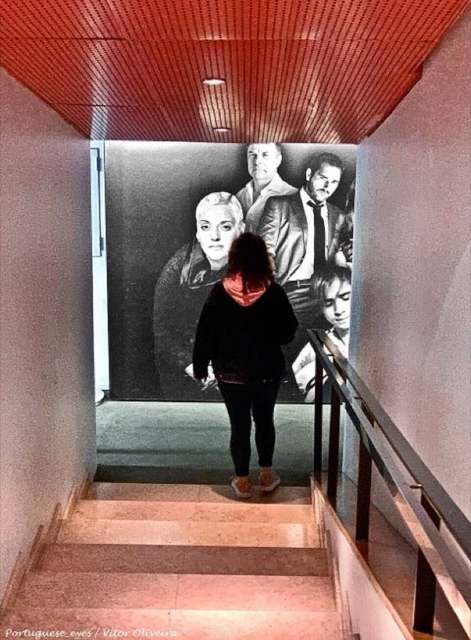 Fado Urban Popular Song Fado | Alfama, Mouraria & Coimbra, Portugal | Music | 19th century (1820s) | Representative List (2011) | Guitarra portuguesa (12-string lute), Viola de fado (classical guitar), Bajo acústico, Spruce & rosewood soundboard | ■■■■ Thriving |
Tradition Dossiers & Field Summaries
Music · Alfama, Mouraria & Coimbra, Portugal
Fado Urban Popular Song
Lisbon and Coimbra urban sung poetry expressing saudade longing through a solo voice accompanied by the twelve-string pear-shaped guitarra portuguesa and classical viola de fado.
Frequently Asked Questions
Which traditions are covered in Living Traditions of Portugal?
This guide documents 1 living traditions, including Fado Urban Popular Song (Alfama, Mouraria & Coimbra). Every entry includes its place of origin, cultural family, vitality assessment, and cited sources.
How are traditions classified and verified in Living Traditions of Portugal?
Each tradition is classified under one of the seven cultural families (Dance, Music, Theatre, Painting, Craft, Textile, or Oral Tradition) and verified against UNESCO registers, national academy inventories, and ethnographic monographs under CC BY-SA 4.0.
What are the key UNESCO and historical highlights for Living Traditions of Portugal?
This country guide compiles documented living traditions, UNESCO Intangible Cultural Heritage elements, and regional craft lineages of Portugal.
Side-by-Side Comparisons in This Guide
Music × Dance
Fado Urban Popular Song vs Flamenco
Music
Saman vs Fado Urban Popular Song
Music
Ca trù vs Fado Urban Popular Song
Music
Gnawa vs Fado Urban Popular Song
Music
Georgian Polyphonic Singing vs Fado Urban Popular Song
Music
Javanese Gamelan vs Fado Urban Popular Song
Music
Al-Mizmar vs Fado Urban Popular Song
Music