Top 25 Culinary Heritage, Artisan Foodways & Sacred Feasts Around the World
Peer-to-peer ranking of 25 sacred temple kitchens, communal egalitarian feasts, fermentation rituals, and UNESCO-inscribed culinary traditions from India and around the world.
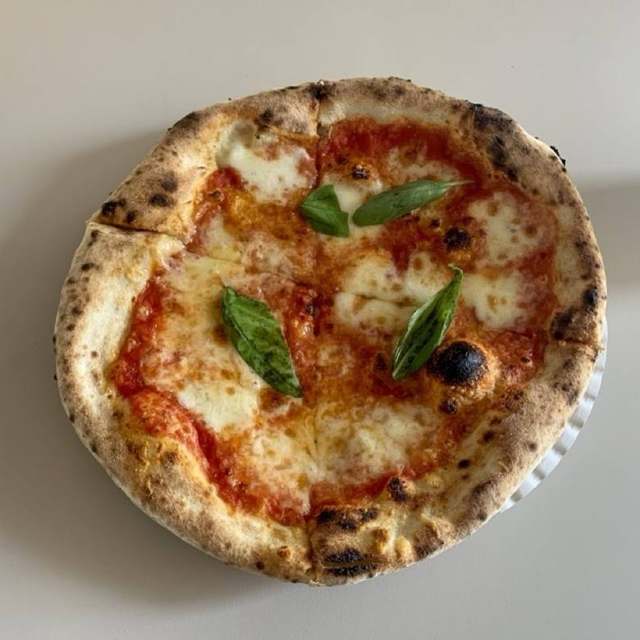
Naples, Campania · Italy—Slap-Stretched (Schiaffo) Dough & 485 °C Oak-Wood Dome Oven
✦UNESCO Representative List (2017)
Four-generation Neapolitan guild craft stretching long-fermented dough by hand (la tecnica dello schiaffo) to raise the aerated cornicione rim before baking for precisely 60 to 90 seconds in a 485 °C volcanic-brick wood oven.
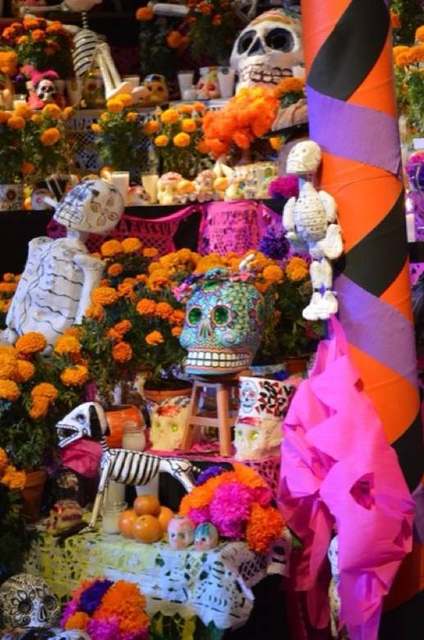
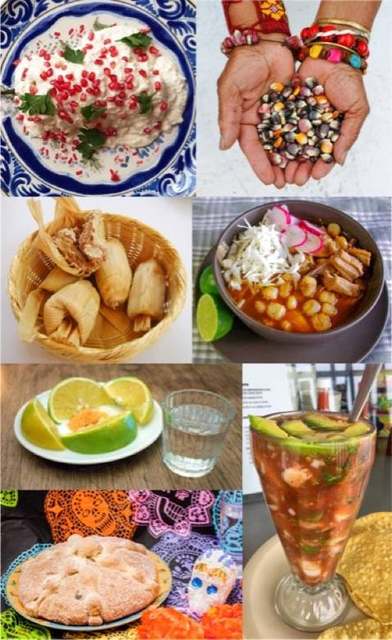
Lake Pátzcuaro (Michoacán), Oaxaca & Mixquic · Mexico—Pan de Muerto, Mole Negro, Cempasúchil & Ofrenda Feast
✦UNESCO Masterpiece (2003/2008)
Mesoamerican ancestral homecoming feast uniting orange-blossom Pan de Muerto loaves, thirty-ingredient Oaxacan Mole Negro, pressed amaranth skulls (calaveras de amaranto), copal incense, and marigold pathways.
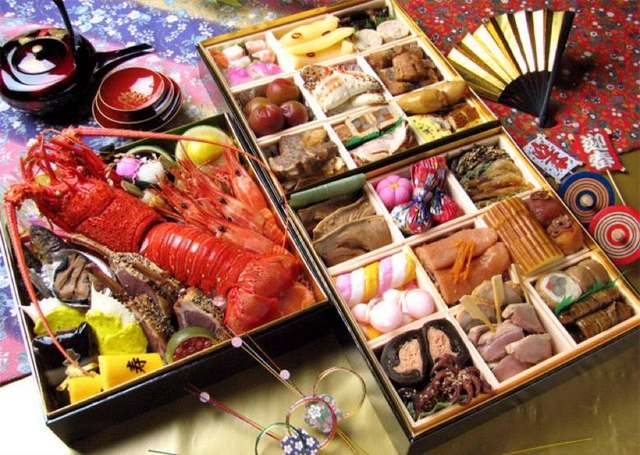
Kyoto, Tokyo, Kanazawa & Nationwide · Japan—Ichiju-Sansai (One Soup, Three Sides), Dashi Umami & Osechi-Ryori
✦UNESCO Representative List (2013)
Centred on respect for seasonal nature (shun), kelp-and-bonito Dashi umami extraction, fermented koji (miso, shoyu, sake), and New Year Osechi-ryori lacquer boxes.
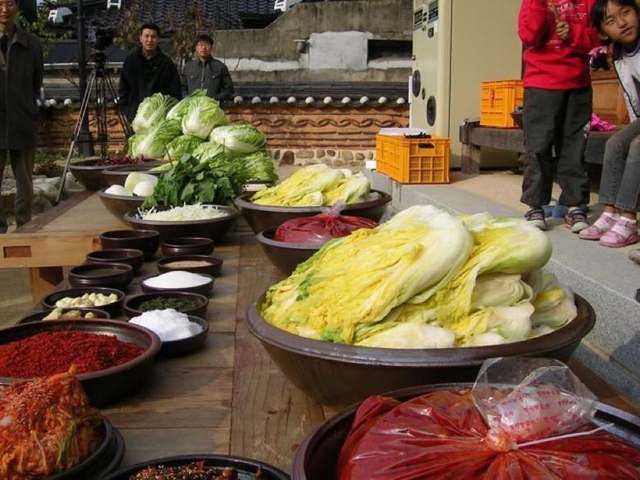
Multi-household late-autumn community ritual following the lunar calendar, brining hundreds of heads of napa cabbage and Korean radish with sun-dried gochugaru chili, garlic, ginger, and fermented jeotgal to bury in earthen Onggi jars for winter.
Complete agrarian-to-hearth system linking Milpachinampa polyculture (native maize, beans, squash, chiles) with alkaline wood-ash/lime Nixtamalization and basalt Metate grinding led by traditional Cocineras.
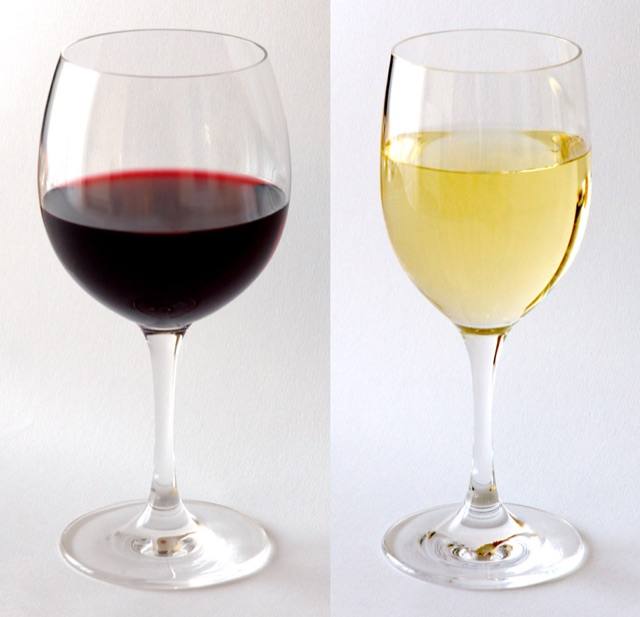
Codified social feast celebrating life milestones through a structured sequence—apéritif, starter, fish/meat with vegetables, regional AOC cheese platter, dessert, and digestif—paired with terroir wines.
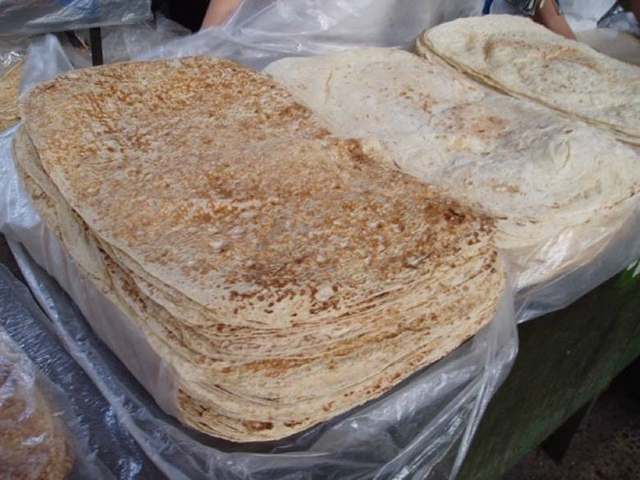
Groups of women roll wheat dough paper-thin, whirl it across the air to stretch over a stuffed oval cushion (bata), and slap it onto the glowing interior wall of a sunken clay Tonir pit oven for thirty seconds.
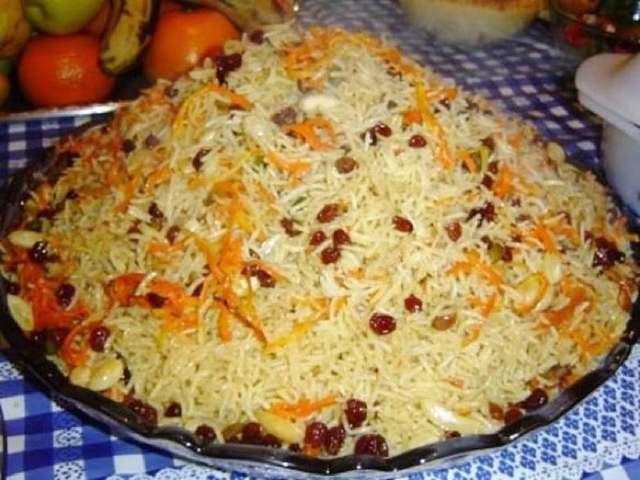
Prepared by an Oshllpaz master in a massive cast-iron Qozon cauldron by layering browned meat, julienned yellow carrots, cumin, barberries, and chickpeas into a simmering Zirvak stew crowned with un-stirred steamed Devzira rice.
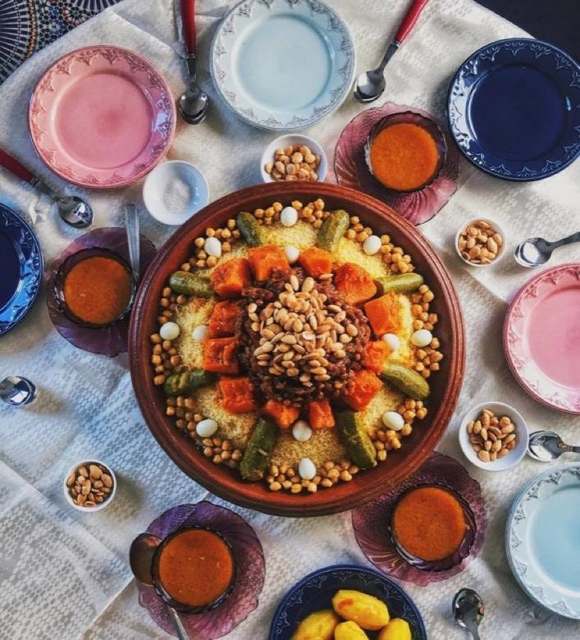
Amazigh and Maghrebi culinary art in which women roll moistened durum wheat semolina by circular palm motion in a wooden Gassa platter, sieve it through graduated meshes, and steam it three times in a perforated clay Keskàs over aromatic broth.
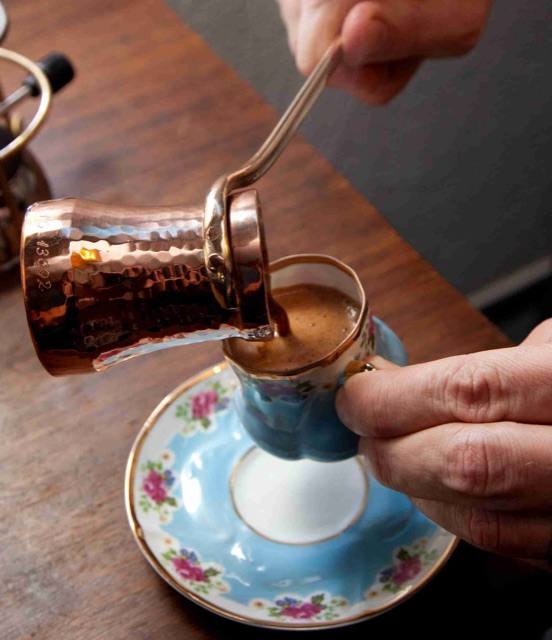
Unfiltered Arabica beans pulverized to talcum fineness and simmered slowly with cold water in a long-handled tinned-copper Cezve (often nestled in hot sand) to build a velvety crema foam, served with water, Lokum, and cup-ground fortune reading.
The world's oldest continuously attested winemaking method (8,000 years), fermenting crushed Rkatsiteli and Saperavi grapes together with their skins, seeds, and stems (chacha) for six months inside beeswax-lined clay Qvevri vessels buried to the neck in a Marani cellar.
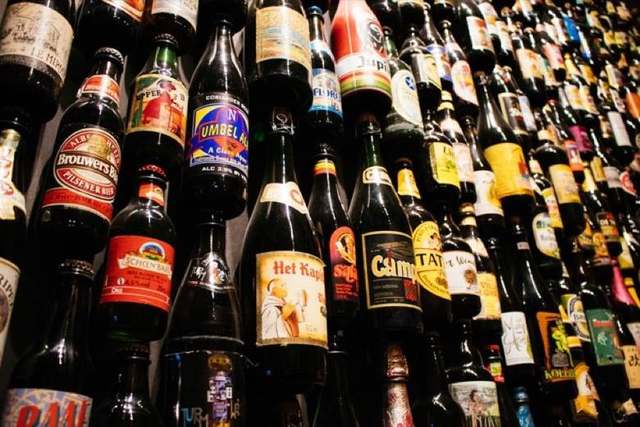
Encompassing four fermentation families—including Senne Valley Lambic and Gueuze inoculated overnight in open copper coolships by wild airborne Brettanomyces yeasts, Flanders red oak-tun sour ales, and monastic Trappist brewing.
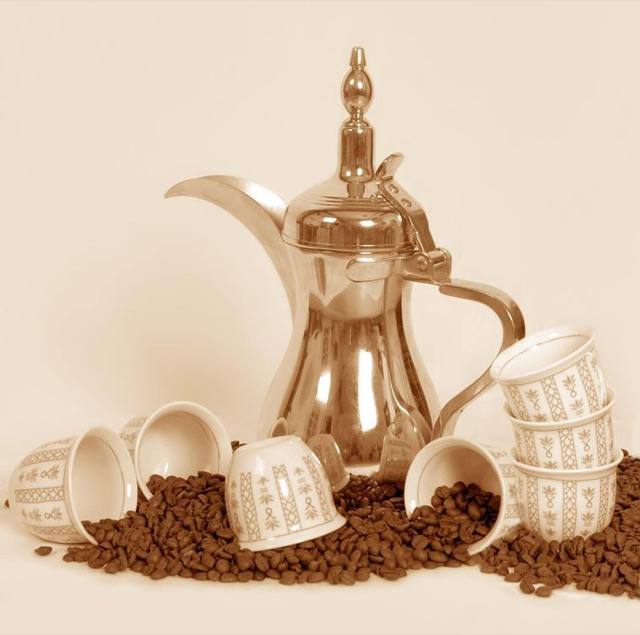
Najd, Hejaz, Abu Dhabi, Doha & Muscat · Saudi Arabia / UAE / Oman / Qatar—Iron Mihmas Pan, Musical Brass Mortar, Dallah Beaked Pot & Finjan Pour
✦UNESCO Representative List (2015)
Lightly roasted green coffee beans pounded with green cardamom pods in a brass mortar (striking a musical rhythm to summon guests), brewed with saffron in a curved-beak Dallah pot, and poured right-handed into handleless Finjan cups with fresh dates.
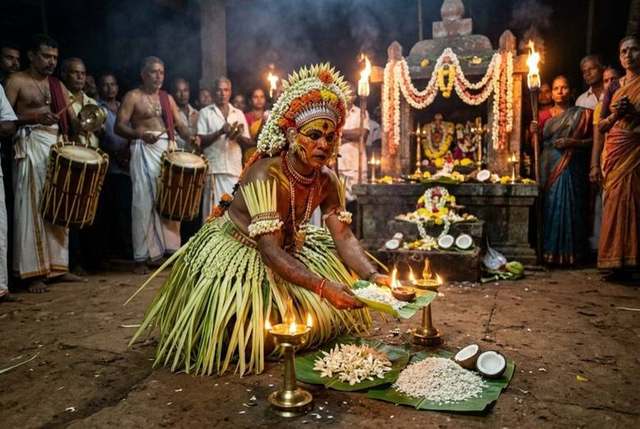
All-night Tuluva spirit-deity (Daiva) worship centred on heaps of puffed paddy, tender coconut, and palm-blossom offerings redistributed across every village household at dawn after the oracle's judicial blessings.
Codified in eighteenth-century Nawabi kitchens of Lucknow, sealing heavy tinned-copper Deg cauldrons with wheat-dough strips so meats, saffron, kewra, and thirty aromatic spices cook gently in their own rising steam.
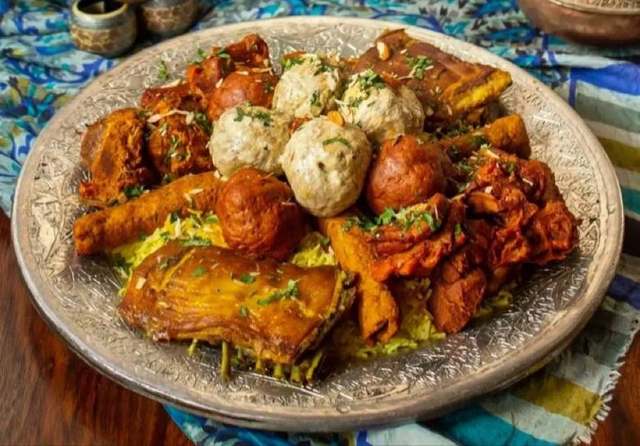
Multi-hour ceremonial banquet prepared overnight over fruitwood fires by a hereditary Wasta Waza (master chef), hand-pounding meat on river stones with wooden mallets for silky Rista and Gushtaba served on shared engraved copper Tramis.
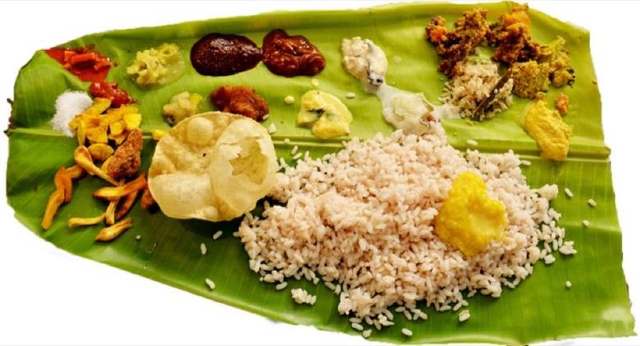
Served in a strict left-to-right spatial grammar on a tapered green plantain leaf (starting with salt, sarkara varatti, and injipuli on the top left and progressing through Avial, Olan, Sambar, Parippu, and three Pradhaman payasams).
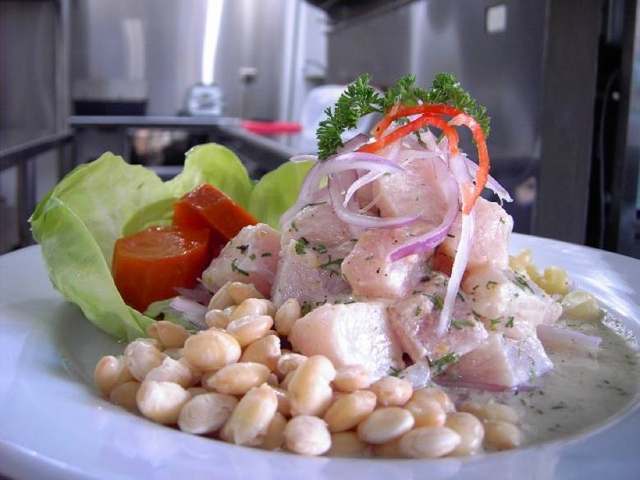
Descended from two-thousand-year-old Moche coastal fishermen curing fresh catch with fermented tumbo fruit and chili, modern Peruvian ceviche flash-cures raw line-caught sea bass in aromatic Piura key-lime juice (Leche de Tigre) with ají limo, red julienned onion, sweet camote, and giant Andean choclo corn.
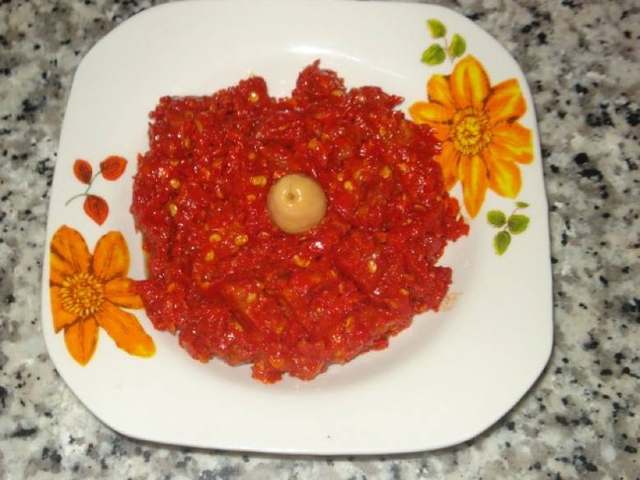
Harvested Cap Bon Baklouti red chiles are strung into garlands to cure on whitewashed courtyard walls in the autumn sun, then deseeded, rehydrated, and pounded in a brass Mehrez mortar with garlic, toasted caraway, coriander seeds, and olive oil.
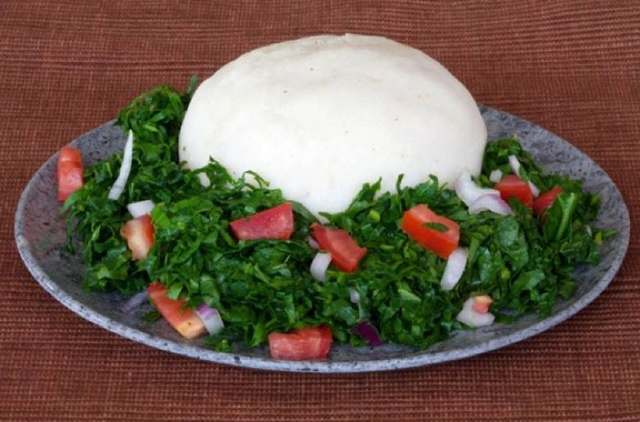
White maize kernels pounded with wooden pestles in deep mortars, sun-dried, sifted into fine snow-white Ufa flour, and stirred vigorously over open fire with a wooden Mthiko paddle into smooth mounds served with Ndiwo pumpkin-leaf and Lake Malawi Chambo fish relishes.
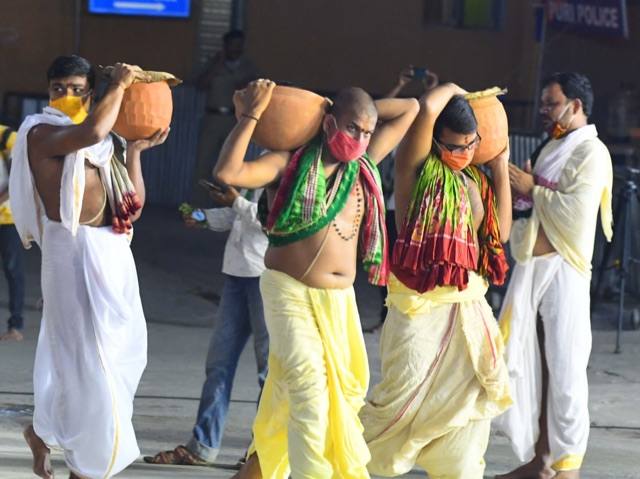
Rosa Ghara, Jagannath Temple, Puri, Odisha · India—9-Stacked New Clay-Pot Steam Cooking (Abhada) & 56-Item Bhog
✦900-Year Suara Hereditary Temple Cook Guild
In the world's largest traditional wood-fired temple kitchen (Rosa Ghara), 600 hereditary Suara cooks stack nine unglazed red-clay pots vertically over wood hearths—miraculously cooking the topmost pot first by rising steam convection.
✦GI Tag (2010) · First Indian Meat Dish Conferred GI Status
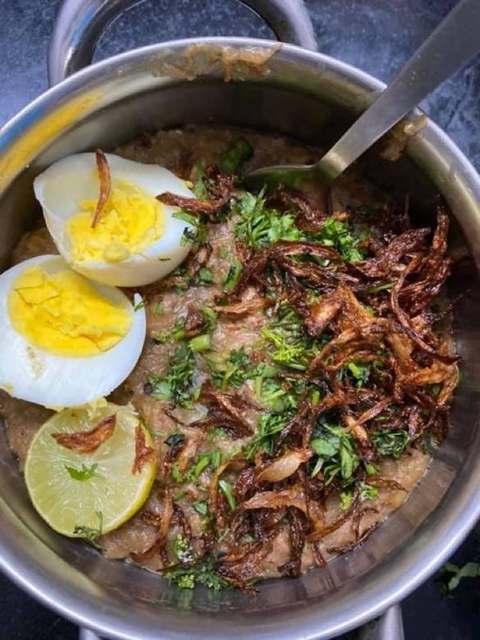
Slow-simmered for twelve hours in sunken brick wood-fired cauldrons (bhattis) and hand-pounded by pairs of cooks wielding heavy wooden Ghotni mallets until cracked wheat, lentils, ghee, and meat fuse into a golden paste.
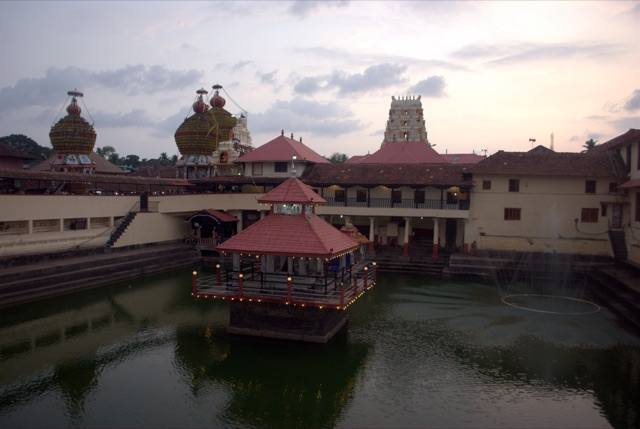
Originating in the Chattram pilgrim kitchens of the Udupi Sri Krishna Matha, pioneering fermented urad-and-rice griddle batters (Masala Dosa, Neer Dosa), Mattu Gulla brinjal curries, and jaggery-tamarind-coconut Rasam without onion or garlic.
Four-generation Neapolitan guild craft stretching long-fermented dough by hand (la tecnica dello schiaffo) to raise the aerated cornicione rim before baking for precisely 60 to 90 seconds in a 485 °C volcanic-brick wood oven.
WHAT: World Culinary & Feast Heritage · Pan de Muerto, Mole Negro, Cempasúchil & Ofrenda Feast · UNESCO Masterpiece (2003/2008)
WHERE: Lake Pátzcuaro (Michoacán), Oaxaca & Mixquic · Mexico (Latin America & Andes)
Mesoamerican ancestral homecoming feast uniting orange-blossom Pan de Muerto loaves, thirty-ingredient Oaxacan Mole Negro, pressed amaranth skulls (calaveras de amaranto), copal incense, and marigold pathways.
WHAT: World Culinary & Feast Heritage · Ichiju-Sansai (One Soup, Three Sides), Dashi Umami & Osechi-Ryori · UNESCO Representative List (2013)
WHERE: Kyoto, Tokyo, Kanazawa & Nationwide · Japan (East Asia)
Centred on respect for seasonal nature (shun), kelp-and-bonito Dashi umami extraction, fermented koji (miso, shoyu, sake), and New Year Osechi-ryori lacquer boxes.
WHAT: World Culinary & Feast Heritage · Sea-Salt Brined Napa Cabbage, Jeotgal Seafood & Buried Onggi Fermentation · UNESCO Representative List (2013)
WHERE: Seoul, Jeolla, Gyeongsang & Nationwide · South Korea (East Asia)
Multi-household late-autumn community ritual following the lunar calendar, brining hundreds of heads of napa cabbage and Korean radish with sun-dried gochugaru chili, garlic, ginger, and fermented jeotgal to bury in earthen Onggi jars for winter.
Complete agrarian-to-hearth system linking Milpachinampa polyculture (native maize, beans, squash, chiles) with alkaline wood-ash/lime Nixtamalization and basalt Metate grinding led by traditional Cocineras.
Codified social feast celebrating life milestones through a structured sequence—apéritif, starter, fish/meat with vegetables, regional AOC cheese platter, dessert, and digestif—paired with terroir wines.
Groups of women roll wheat dough paper-thin, whirl it across the air to stretch over a stuffed oval cushion (bata), and slap it onto the glowing interior wall of a sunken clay Tonir pit oven for thirty seconds.
Prepared by an Oshllpaz master in a massive cast-iron Qozon cauldron by layering browned meat, julienned yellow carrots, cumin, barberries, and chickpeas into a simmering Zirvak stew crowned with un-stirred steamed Devzira rice.
Amazigh and Maghrebi culinary art in which women roll moistened durum wheat semolina by circular palm motion in a wooden Gassa platter, sieve it through graduated meshes, and steam it three times in a perforated clay Keskàs over aromatic broth.
Unfiltered Arabica beans pulverized to talcum fineness and simmered slowly with cold water in a long-handled tinned-copper Cezve (often nestled in hot sand) to build a velvety crema foam, served with water, Lokum, and cup-ground fortune reading.
The world's oldest continuously attested winemaking method (8,000 years), fermenting crushed Rkatsiteli and Saperavi grapes together with their skins, seeds, and stems (chacha) for six months inside beeswax-lined clay Qvevri vessels buried to the neck in a Marani cellar.
Encompassing four fermentation families—including Senne Valley Lambic and Gueuze inoculated overnight in open copper coolships by wild airborne Brettanomyces yeasts, Flanders red oak-tun sour ales, and monastic Trappist brewing.
WHAT: World Culinary & Feast Heritage · Iron Mihmas Pan, Musical Brass Mortar, Dallah Beaked Pot & Finjan Pour · UNESCO Representative List (2015)
WHERE: Najd, Hejaz, Abu Dhabi, Doha & Muscat · Saudi Arabia / UAE / Oman / Qatar (Middle East, Anatolia & Caucasus)
Lightly roasted green coffee beans pounded with green cardamom pods in a brass mortar (striking a musical rhythm to summon guests), brewed with saffron in a curved-beak Dallah pot, and poured right-handed into handleless Finjan cups with fresh dates.
WHERE: Udupi, Mangaluru & Kasaragod (Tulu Nadu) · India (South Asia)
All-night Tuluva spirit-deity (Daiva) worship centred on heaps of puffed paddy, tender coconut, and palm-blossom offerings redistributed across every village household at dawn after the oracle's judicial blessings.
WHERE: Lucknow, Uttar Pradesh · India (South Asia)
Codified in eighteenth-century Nawabi kitchens of Lucknow, sealing heavy tinned-copper Deg cauldrons with wheat-dough strips so meats, saffron, kewra, and thirty aromatic spices cook gently in their own rising steam.
WHERE: Srinagar & Anantnag, Jammu & Kashmir · India (South Asia)
Multi-hour ceremonial banquet prepared overnight over fruitwood fires by a hereditary Wasta Waza (master chef), hand-pounding meat on river stones with wooden mallets for silky Rista and Gushtaba served on shared engraved copper Tramis.
WHAT: World Culinary & Feast Heritage · Six-Taste (Shad-Rasa) Plantain-Leaf Geometric Culinary Ritual · Onam & Temple Culinary Heritage of Kerala
WHERE: Travancore, Kochi & Malabar, Kerala · India (South Asia)
Served in a strict left-to-right spatial grammar on a tapered green plantain leaf (starting with salt, sarkara varatti, and injipuli on the top left and progressing through Avial, Olan, Sambar, Parippu, and three Pradhaman payasams).
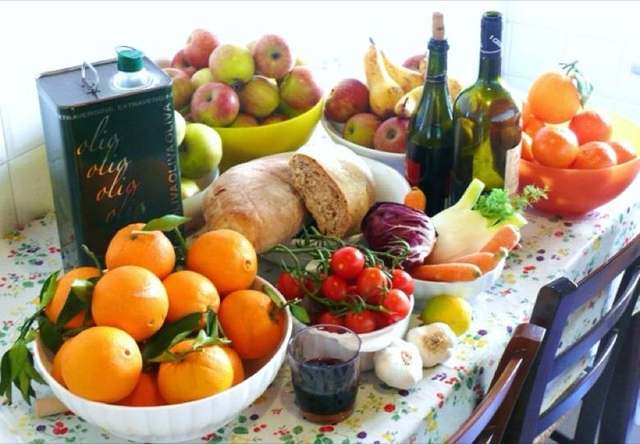
WHAT: World Culinary & Feast Heritage · Stone-Pressed Extra-Virgin Olive Oil, Ancient Durum Grains & Coastal Fishing · UNESCO Representative List (2010/2013)
WHAT: World Culinary & Feast Heritage · Moche-Rooted Chulucanas Lime, Ají Limo, Red Onion & Choclo/Camote Pairing · UNESCO Representative List (2023)
WHERE: Lima, Piura, Trujillo & Chiclayo · Peru (Latin America & Andes)
Descended from two-thousand-year-old Moche coastal fishermen curing fresh catch with fermented tumbo fruit and chili, modern Peruvian ceviche flash-cures raw line-caught sea bass in aromatic Piura key-lime juice (Leche de Tigre) with ají limo, red julienned onion, sweet camote, and giant Andean choclo corn.
WHAT: World Culinary & Feast Heritage · Garland-Strung Sun-Dried Baklouti Peppers & Stone-Mortar Mehrez Pounding · UNESCO Representative List (2022)
WHERE: Cap Bon (Nabeul) & Kairouan · Tunisia (Africa)
Harvested Cap Bon Baklouti red chiles are strung into garlands to cure on whitewashed courtyard walls in the autumn sun, then deseeded, rehydrated, and pounded in a brass Mehrez mortar with garlic, toasted caraway, coriander seeds, and olive oil.
WHAT: World Culinary & Feast Heritage · Mortar-Pounded Fermented Mgaiwa/Ufa Flour & Wooden Mthiko Paddle Stirring · UNESCO Representative List (2017)
WHERE: Lake Malawi Basin, Lilongwe & Blantyre · Malawi (Africa)
White maize kernels pounded with wooden pestles in deep mortars, sun-dried, sifted into fine snow-white Ufa flour, and stirred vigorously over open fire with a wooden Mthiko paddle into smooth mounds served with Ndiwo pumpkin-leaf and Lake Malawi Chambo fish relishes.
WHAT: World Culinary & Feast Heritage · 9-Stacked New Clay-Pot Steam Cooking (Abhada) & 56-Item Bhog · 900-Year Suara Hereditary Temple Cook Guild
WHERE: Rosa Ghara, Jagannath Temple, Puri, Odisha · India (South Asia)
In the world's largest traditional wood-fired temple kitchen (Rosa Ghara), 600 hereditary Suara cooks stack nine unglazed red-clay pots vertically over wood hearths—miraculously cooking the topmost pot first by rising steam convection.
WHAT: World Culinary & Feast Heritage · 12-Hour Sunken Brick Bhatti & Wooden-Ghotni Pounded Wheat-Lentil Stew · GI Tag (2010) · First Indian Meat Dish Conferred GI Status
WHERE: Charminar & Barkas, Hyderabad, Telangana · India (South Asia)
Slow-simmered for twelve hours in sunken brick wood-fired cauldrons (bhattis) and hand-pounded by pairs of cooks wielding heavy wooden Ghotni mallets until cracked wheat, lentils, ghee, and meat fuse into a golden paste.
WHERE: Udupi (Coastal Tulu Nadu), Karnataka · India (South Asia)
Originating in the Chattram pilgrim kitchens of the Udupi Sri Krishna Matha, pioneering fermented urad-and-rice griddle batters (Masala Dosa, Neer Dosa), Mattu Gulla brinjal curries, and jaggery-tamarind-coconut Rasam without onion or garlic.
A free public archive of the world’s living and endangered cultural traditions — documented with primary sources, geographic coordinates, and open-licensed photography. Two rooms, one wall. The door is open.