Explore Japan's UNESCO Intangible Cultural Heritage and Ningen Kokuhō (Living National Treasure) traditions — Noh & Kyōgen theatre, Kabuki, Bunraku puppetry, Yuki-tsumugi silk, and Washi papermaking.
| Tradition | Region / Place | Family | Attested | Recognition | Instruments / Materials | Vitality |
|---|---|---|---|---|---|---|
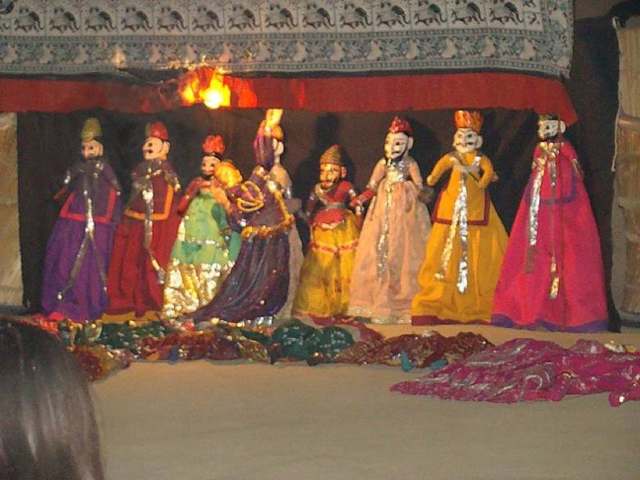
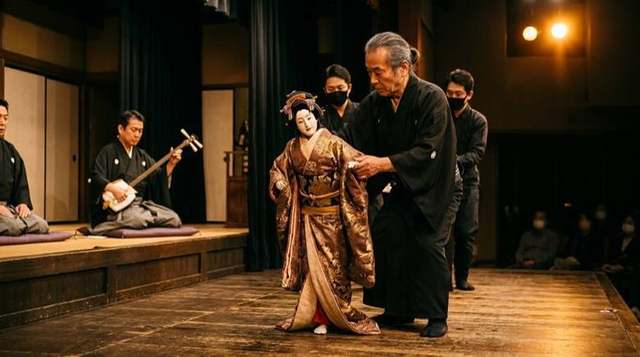
![]() Bunraku Puppet Theatre 人形浄瑠璃文楽 | Osaka, Japan | Craft | 17th century | Representative List (2008) | Futozao Shamisen, Hyōshigi wooden clappers, Japanese cypress (hinoki), Nishijin silk brocade | ■■■□ Stable |
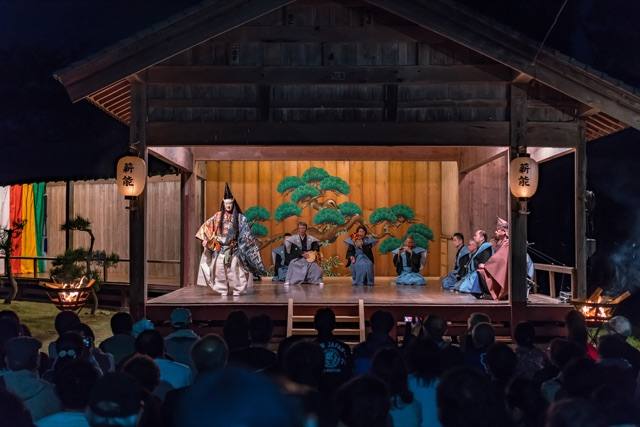
![]() Noh Theatre 能 (Nōgaku) | Kyoto & Tokyo, Japan | Dance | 14th century | Representative List (2008) | Nohkan transverse flute, Kotsuzumi shoulder drum, Ōtsuzumi hip drum, Taiko stick drum | ■■■□ Stable |
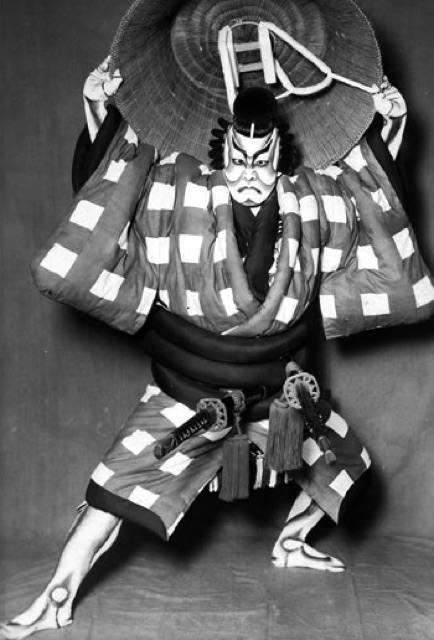
![]() Kabuki Theatre 歌舞伎 | Kyoto, Tokyo & Osaka, Japan | Dance | 17th century (1603) | Representative List (2008) | Shamisen, Hyōshigi wooden clappers, Geza offstage percussion, Kumadori pigment makeup | ■■■■ Thriving |
![]() いばらきまつり | Japan | Living Tradition | Historical attestation | Archival Record | See cited room dossier | ▢▢▢▢ Not yet sourced |
![]() A feast day of Kayadani | Japan | Living Tradition | Historical attestation | Archival Record | See cited room dossier | ▢▢▢▢ Not yet sourced |
![]() Agano ware | Japan | Craft | Historical attestation | Archival Record | See cited room dossier | ▢▢▢▢ Not yet sourced |
![]() Aichi Triennale | Japan | Living Tradition | Historical attestation | Archival Record | See cited room dossier | ▢▢▢▢ Not yet sourced |
![]() airsoft | Japan | Living Tradition | Historical attestation | Archival Record | See cited room dossier | ▢▢▢▢ Not yet sourced |
![]() Akahada ware | Japan | Craft | 1585–1899 | Archival Record | See cited room dossier | ▢▢▢▢ Not yet sourced |
![]() Amabie | Japan | Storytelling | Historical attestation | Archival Record | See cited room dossier | ▢▢▢▢ Not yet sourced |
![]() ambient music | Japan | Music | Historical attestation | Archival Record | See cited room dossier | ▢▢▢▢ Not yet sourced |
Three-puppeteer classical narrative drama from Osaka accompanied by a single tayu chanter and futozao shamisen lute.
Classical Japanese masked dance-drama codified by Kan'ami and Zeami in the fourteenth century, performed on an unadorned hinoki-cypress stage with hayashi flute-and-drum ensemble.
Edo-period classical Japanese dance-drama renowned for kumadori bold facial makeup, dynamic mie poses, revolving stages, and hanamichi runway entrances.
A feast day of Kayadani documented in Japan, Japan.
This guide documents 11 living traditions, including Bunraku Puppet Theatre (Osaka), Noh Theatre (Kyoto & Tokyo), Kabuki Theatre (Kyoto, Tokyo & Osaka), いばらきまつり (Japan), A feast day of Kayadani (Japan), Agano ware (Japan). Every entry includes its place of origin, cultural family, vitality assessment, and cited sources.
Each tradition is classified under one of the seven cultural families (Dance, Music, Theatre, Painting, Craft, Textile, or Oral Tradition) and verified against UNESCO registers, national academy inventories, and ethnographic monographs under CC BY-SA 4.0.
Japan pioneered statutory protection for intangible cultural heritage in 1950 under the Law for the Protection of Cultural Properties, designating master bearers as Holders of Important Intangible Cultural Properties (Ningen Kokuhō).
A free public archive of the world’s living and endangered cultural traditions — documented with primary sources, geographic coordinates, and open-licensed photography. Two rooms, one wall. The door is open.
folkroom — Archive of Living Traditions · Text CC BY-SA 4.0 · Images credited & licensed individually
Open commons: Wikimedia Commons · UNESCO ICH · Openverse · Flickr CC · Wikidata · No trackers · No ads