Top 25 Traditional Handicrafts, Ceramics, Woodcarving & Metallurgy Around the World
Peer-to-peer ranking of 25 master metallurgical, ceramic, lacquerware, glassblowing, and woodcarving traditions from India and around the world — evaluated exclusively against three-dimensional craft and kiln peers.
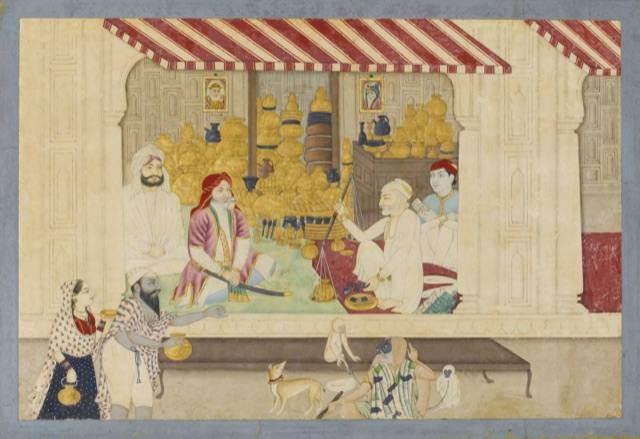
Established under Maharaja Ranjit Singh, Thathera coppersmiths heat sheet metal over wood-fired sunken kilns, hammer concentric Mathar dimples on wooden anvils, and tin-line vessels with tamarind and sal-ammoniac.
Puebla & San Pablo del Monte (Tlaxcala) · Mexico / Spain—16th-Century Six-Pigment Mineral Majolica Earthenware
✦UNESCO Representative List (2019) · DO4 Certification
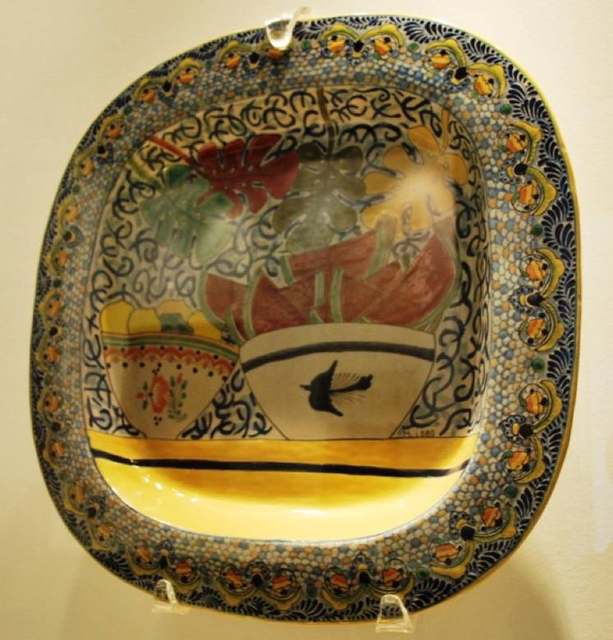
Blending dark and white local clays aged in humid cellars, dipped in lead-and-tin white enamel, and painted with six raised mineral oxides (cobalt blue, antimony yellow, iron black) that fuse in relief during firing.
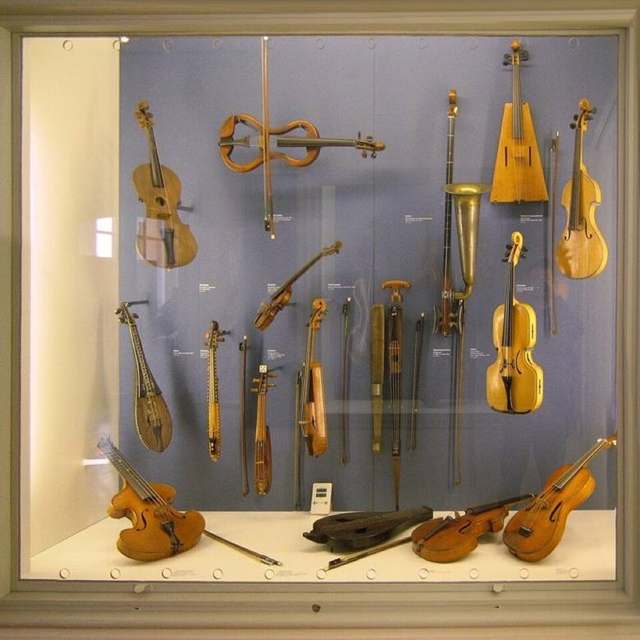
Seventy-plus hand-carved parts of seasoned Val di Fiemme resonance spruce and Balkan flame maple assembled around an internal wooden mould without industrial parts, varnished by brush with natural propolis and resin.
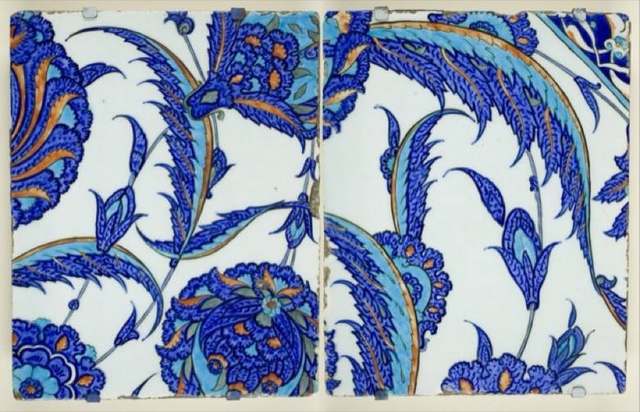
High-quartz fritware coated in white slip, pricked through charcoal-pounced paper stencils (İğneleme), and hand-painted with tulip, carnation, and Cintamani motifs under a crystal lead-alkali glaze.
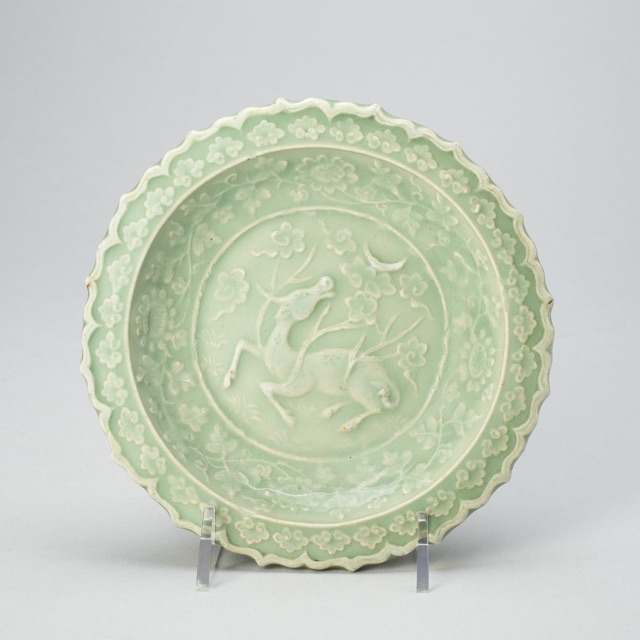
Reduction-fired in climbing dragon kilns at 1,300 °C using iron-oxide clay and limestone-ash glaze to produce the luminous jade-like Meizi Qing ('plum green') and golden-thread crackle Ge wares.
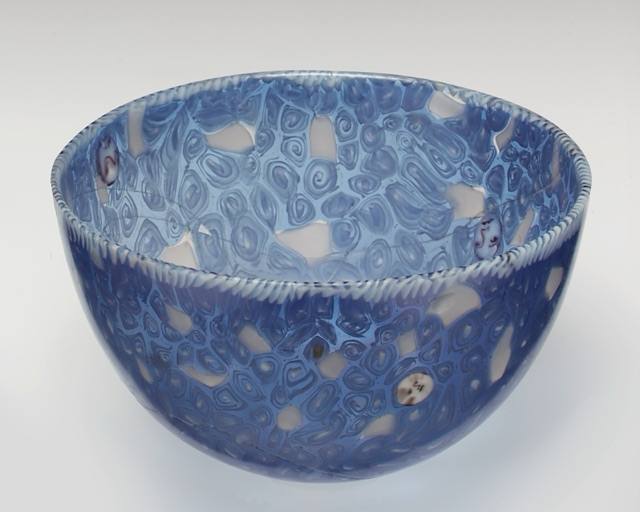
Confined by Venetian decree to Murano Island in 1291, master glassmakers work soda-lime cristallo glass at 1,400 °C using blowpipes, cane-twist Filigrana, and multi-layered floral Millefiori rods.
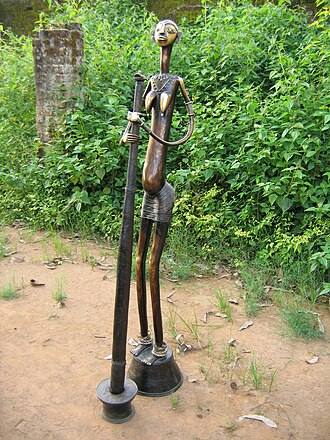
Non-ferrous lost-wax metal casting descending directly from the Indus Valley civilization, coiling hand-rolled beeswax and sal-resin threads around a river-clay core before firing in an earthen kiln.
Surakarta, Yogyakarta, Madura & Bali · Indonesia—Empu Master-Smith 60-Layer Pamor Forge-Welding
✦UNESCO Masterpiece (2005/2008)
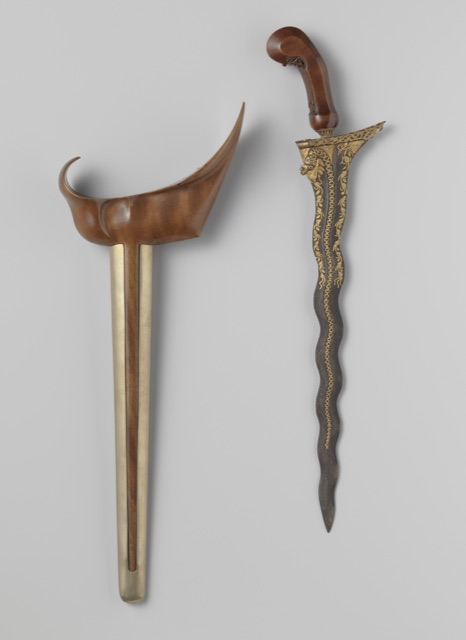
Forged by an Empu master smith who folds alternating layers of iron and nickel-rich meteorite metal (Pamor) into a wavy Luk blade etched with lime juice and arsenic to reveal cosmic grain patterns.
Rishtan, Fergana Valley · Uzbekistan—Wild Desert-Shrub Ash (Ishkor) Emerald-Turquoise Glaze
✦UNESCO Representative List (2023)
Red Fergana clay vessels coated with a natural alkaline glaze burned from wild desert Ishkor plants collected in autumn, painted with pomegranate, almond (bodom), and ewer motifs.
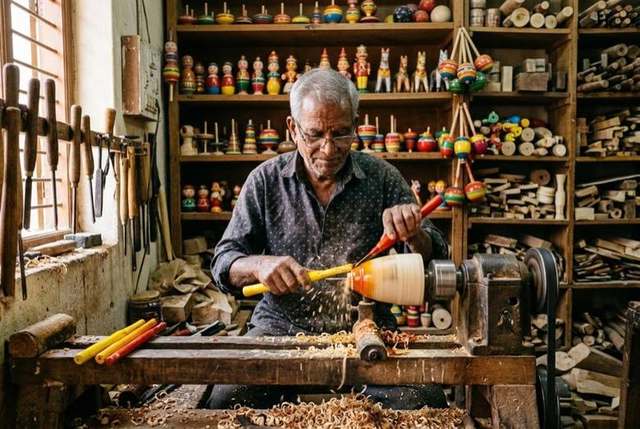
Seasoned Wrightia tinctoria (ivory-wood) turned on hand and bow lathes, coloured by pressing solid sticks of shellac mixed with turmeric, indigo, and kumkum directly against the friction-heated spinning wood.
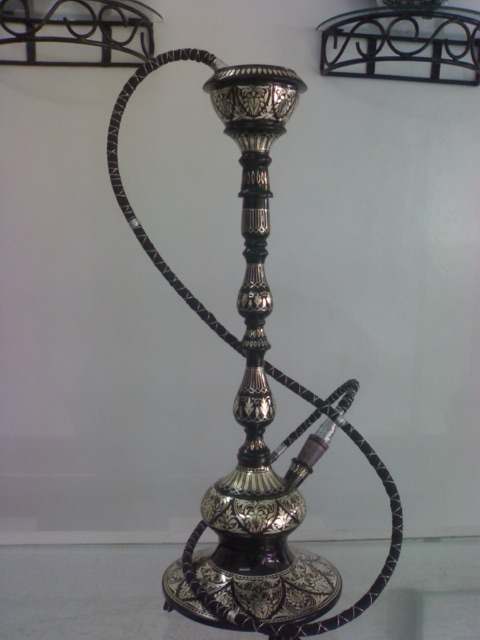
Cast from an alloy of 16:1 zinc and copper, chiselled with floral grooves inlaid with pure 99.9% silver wire (Tarkashi), and rubbed with Bidar Fort alkaline soil paste that turns the zinc body velvety matte black while leaving silver gleaming.
Aranmula (Pathanamthitta), Kerala · India—Zero-Refraction Speculum Bronze Alloy Mirror
✦GI Tag (2004) · First GI-Protected Craft of Kerala
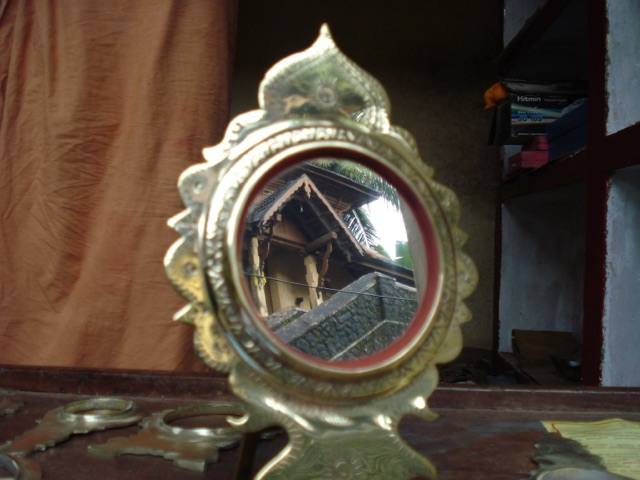
Unlike glass mirrors silvered on the back, hereditary Vishwakarma metallurgists cast and hand-polish a secret high-tin copper alloy plate to achieve distortion-free front-surface optical reflection.
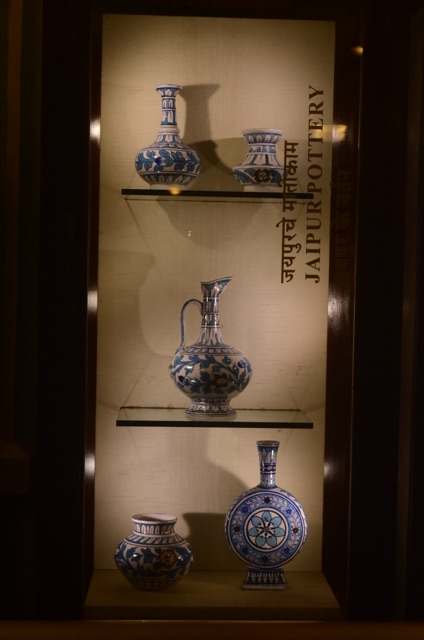
One of the world's few ceramic traditions made without potter's clay, kneading powdered quartz stone, raw glass, Katira gum, and Multani Mitti before painting cobalt-and-copper oxides fired at low temperatures.
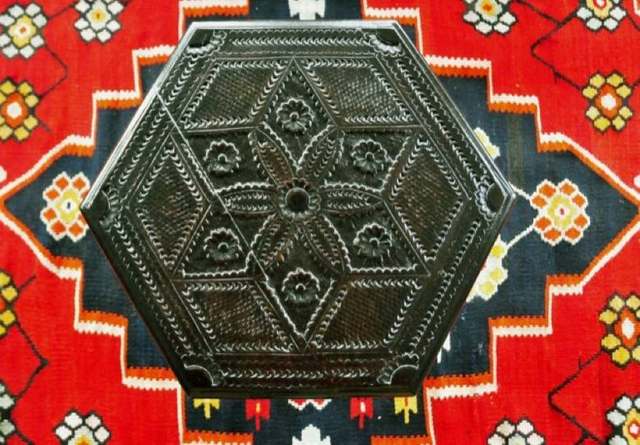
Konjic (Neretva Valley) · Bosnia and Herzegovina—Dlijeto-Chisel Geometric & Vine-Scroll Furniture Carving
✦UNESCO Representative List (2017)
Intergenerational Neretva Valley woodcarving workshops using dozens of U-and-V profile hand gouges (dlijeto) and wooden mallets to carve rhythmic light-catching geometric chip-cuts into seasoned walnut and cherry.
Ornate Norwegian fiddles built with four or five sympathetic resonance strings running beneath a bone-and-mother-of-pearl inlaid fingerboard, crowned with a carved lion-dragon scroll and pen-drawn floral rosing.
Longpi Kajui & Longpi Khullen (Ukhrul), Manipur · India—Wheel-Free Crushed Black Serpentinite Rock & Leaf-Polished Vessels
✦Manipur Tangkhul Naga Heritage Craft
Shaped entirely by hand and wooden paddle without a potter's wheel from crushed black serpentinite stone and weathered clay, open-pit fired and rubbed while glowing hot with Pasania Machilus leaves.
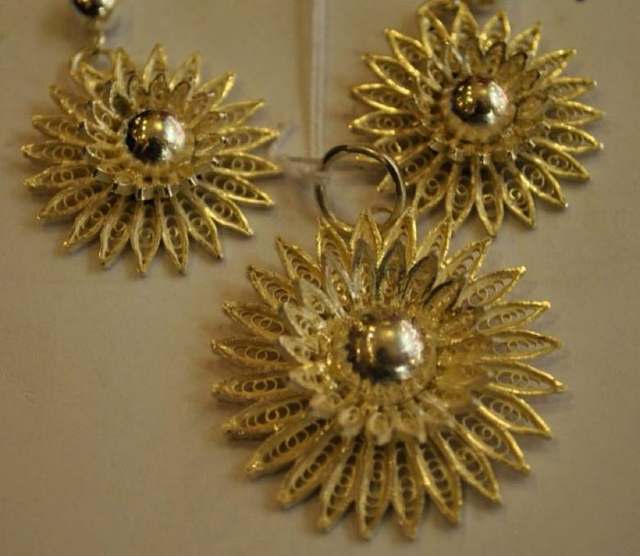
Pure silver ingots drawn through successively finer steel gauge-plates into hair-thin threads twisted and soldered over blowpipe flames into Konark wheels, rosewater sprinklers, and towering Durga Puja backdrops.
✦GI Tag (2011) · 15th-Century Zain-ul-Abidin Guild
Introduced under Sultan Zain-ul-Abidin in the fifteenth century, Sakhtasaz moulders pound soaked waste paper and rice-starch in stone mortars before Naqqash illuminators paint Chinar leaves and Hazara florals in pure gold leaf.
Etikoppaka (Varaha River Bank, Anakapalli), Andhra Pradesh · India—Non-Toxic Plant-Lacquer Turned-Wood Kalyana & Etikoppaka Toys
✦GI Tag (2017) · Padma Shri C. V. Raju Revival
Soft Ankudu wood turned on lathes and coated with insect lac boiled solely with vegetable pigments extracted from turmeric, indigo, sappanwood, and myrobalan seeds.
✦Important Intangible Cultural Property of Japan (1977)
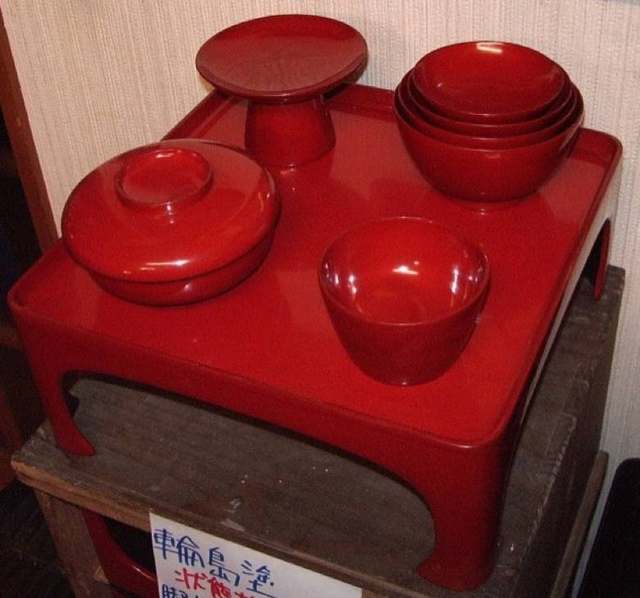
Japanese wooden bowls reinforced at weak rims with hemp cloth and coated with 124 layers of Toxicodendron vernicifluum sap mixed with calcined Wajima diatomaceous earth (Jinoko), finished with Maki-e or Chinkin gold engraving.
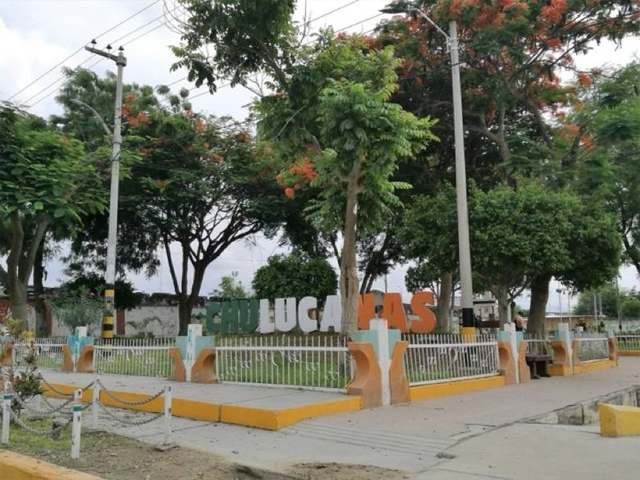
Reviving pre-Columbian Vicús technique, potters thin clay walls with a wooden Paleta paddle against an internal river stone, burnish with quartz pebbles, and smoke-fire with resinous green mango leaves for jet-black negative patterns.
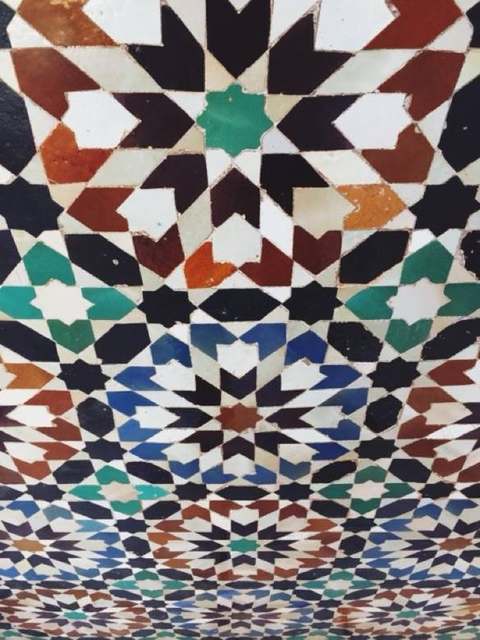
Fez & Meknes · Morocco—Menqach Hammer-Chiselled 360-Piece Star Tessellation
✦Moroccan Master Maâlem Guild Heritage
Glazed Miocene clay squares fired in olive-pit kilns are individually chipped by hand with a sharp double-edged Menqach hammer into hundreds of polygons (furmah) and assembled face-down without seeing the pattern until lifted.
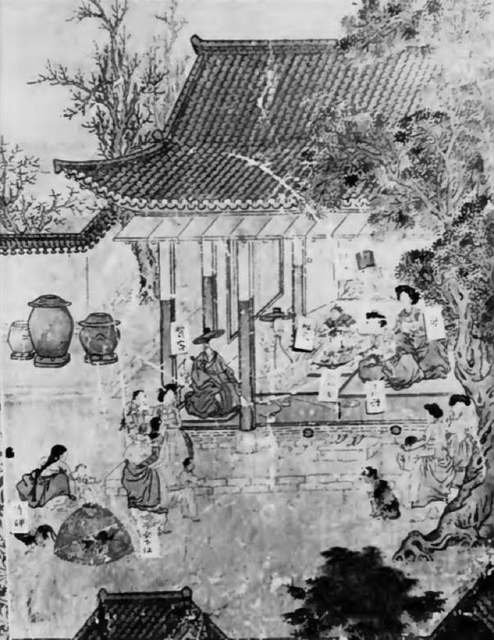
Ulsan (Oegosan) & Jeolla / Gyeonggi Provinces · South Korea—Micro-Porous Pine-Soot & Leaf-Mold Glazed Fermentation Jars
✦National Intangible Cultural Heritage of Korea No. 96
Coiled and paddle-beaten from iron-rich clay whose sand particles form microscopic air pores during firing, allowing kimchi, gochujang, and doenjang to breathe and ferment without spoiling.
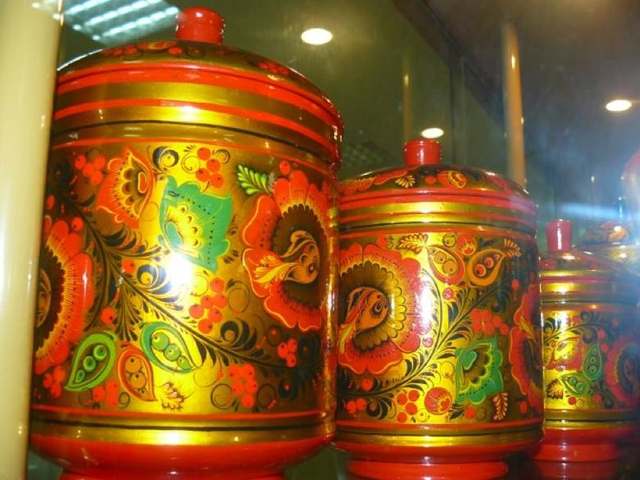
Linden-wood bowls turned on lathes, rubbed with silvery tin powder (instead of gold), painted with scarlet rowanberries and strawberries, and baked in a kiln until the linseed varnish turns the tin a deep metallic gold.
WHAT: World Crafts, Ceramics & Metallurgy · Mathar Hammer-Dimpled Brass, Copper & Kansi Vessels · UNESCO Representative List (2014)
WHERE: Jandiala Guru (Amritsar), Punjab · India (South Asia)
Established under Maharaja Ranjit Singh, Thathera coppersmiths heat sheet metal over wood-fired sunken kilns, hammer concentric Mathar dimples on wooden anvils, and tin-line vessels with tamarind and sal-ammoniac.
WHAT: World Crafts, Ceramics & Metallurgy · 16th-Century Six-Pigment Mineral Majolica Earthenware · UNESCO Representative List (2019) · DO4 Certification
WHERE: Puebla & San Pablo del Monte (Tlaxcala) · Mexico / Spain (Latin America & Andes)
Blending dark and white local clays aged in humid cellars, dipped in lead-and-tin white enamel, and painted with six raised mineral oxides (cobalt blue, antimony yellow, iron black) that fuse in relief during firing.
Seventy-plus hand-carved parts of seasoned Val di Fiemme resonance spruce and Balkan flame maple assembled around an internal wooden mould without industrial parts, varnished by brush with natural propolis and resin.
High-quartz fritware coated in white slip, pricked through charcoal-pounced paper stencils (İğneleme), and hand-painted with tulip, carnation, and Cintamani motifs under a crystal lead-alkali glaze.
WHAT: World Crafts, Ceramics & Metallurgy · Song-Dynasty Plum-Green (Meizi Qing) & Crackle Ge-Kiln Celadon · UNESCO Representative List (2009)
WHERE: Longquan, Zhejiang Province · China (East Asia)
Reduction-fired in climbing dragon kilns at 1,300 °C using iron-oxide clay and limestone-ash glaze to produce the luminous jade-like Meizi Qing ('plum green') and golden-thread crackle Ge wares.
WHAT: World Crafts, Ceramics & Metallurgy · 1291 Venetian Furnace Filigrana, Avventurina & Lampwork · UNESCO Representative List (2020)
WHERE: Murano Island, Venetian Lagoon · Italy (Europe & Mediterranean)
Confined by Venetian decree to Murano Island in 1291, master glassmakers work soda-lime cristallo glass at 1,400 °C using blowpipes, cane-twist Filigrana, and multi-layered floral Millefiori rods.
WHAT: World Crafts, Ceramics & Metallurgy · 4,000-Year Cire Perdue Beeswax-Thread Bronze Casting · GI Tag (2008/2018) · Ghadwa & Karmakar Smiths
WHERE: Kondagaon (Bastar, Chhattisgarh) & Bikna (Bankura, West Bengal) · India (South Asia)
Non-ferrous lost-wax metal casting descending directly from the Indus Valley civilization, coiling hand-rolled beeswax and sal-resin threads around a river-clay core before firing in an earthen kiln.
WHAT: World Crafts, Ceramics & Metallurgy · Empu Master-Smith 60-Layer Pamor Forge-Welding · UNESCO Masterpiece (2005/2008)
WHERE: Surakarta, Yogyakarta, Madura & Bali · Indonesia (Southeast Asia)
Forged by an Empu master smith who folds alternating layers of iron and nickel-rich meteorite metal (Pamor) into a wavy Luk blade etched with lime juice and arsenic to reveal cosmic grain patterns.
Red Fergana clay vessels coated with a natural alkaline glaze burned from wild desert Ishkor plants collected in autumn, painted with pomegranate, almond (bodom), and ewer motifs.
WHAT: World Crafts, Ceramics & Metallurgy · Aale Mara Ivory-Wood Lathe & frictional Shellac Glaze · GI Tag (2005) · Bavas Miyan Lineage
WHERE: Channapatna (Ramanagara), Karnataka · India (South Asia)
Seasoned Wrightia tinctoria (ivory-wood) turned on hand and bow lathes, coloured by pressing solid sticks of shellac mixed with turmeric, indigo, and kumkum directly against the friction-heated spinning wood.
WHAT: World Crafts, Ceramics & Metallurgy · 15th-Century Bahmani Zinc-Copper & Fort-Soil Oxidation · GI Tag (2006) · Bidar Metalworker Guild
WHERE: Bidar Fort Precinct, Karnataka · India (South Asia)
Cast from an alloy of 16:1 zinc and copper, chiselled with floral grooves inlaid with pure 99.9% silver wire (Tarkashi), and rubbed with Bidar Fort alkaline soil paste that turns the zinc body velvety matte black while leaving silver gleaming.
WHAT: World Crafts, Ceramics & Metallurgy · Zero-Refraction Speculum Bronze Alloy Mirror · GI Tag (2004) · First GI-Protected Craft of Kerala
WHERE: Aranmula (Pathanamthitta), Kerala · India (South Asia)
Unlike glass mirrors silvered on the back, hereditary Vishwakarma metallurgists cast and hand-polish a secret high-tin copper alloy plate to achieve distortion-free front-surface optical reflection.
WHAT: World Crafts, Ceramics & Metallurgy · Clay-Free Ground Quartz, Multani Mitti & Cobalt Glaze · GI Tag (2008) · Kripal Singh Shekhawat Revival
WHERE: Jaipur, Rajasthan · India (South Asia)
One of the world's few ceramic traditions made without potter's clay, kneading powdered quartz stone, raw glass, Katira gum, and Multani Mitti before painting cobalt-and-copper oxides fired at low temperatures.
WHAT: World Crafts, Ceramics & Metallurgy · Dlijeto-Chisel Geometric & Vine-Scroll Furniture Carving · UNESCO Representative List (2017)
WHERE: Konjic (Neretva Valley) · Bosnia and Herzegovina (South Asia)
Intergenerational Neretva Valley woodcarving workshops using dozens of U-and-V profile hand gouges (dlijeto) and wooden mallets to carve rhythmic light-catching geometric chip-cuts into seasoned walnut and cherry.
Ornate Norwegian fiddles built with four or five sympathetic resonance strings running beneath a bone-and-mother-of-pearl inlaid fingerboard, crowned with a carved lion-dragon scroll and pen-drawn floral rosing.
WHAT: World Crafts, Ceramics & Metallurgy · Wheel-Free Crushed Black Serpentinite Rock & Leaf-Polished Vessels · Manipur Tangkhul Naga Heritage Craft
WHERE: Longpi Kajui & Longpi Khullen (Ukhrul), Manipur · India (South Asia)
Shaped entirely by hand and wooden paddle without a potter's wheel from crushed black serpentinite stone and weathered clay, open-pit fired and rubbed while glowing hot with Pasania Machilus leaves.
WHAT: World Crafts, Ceramics & Metallurgy · 500-Year Drawn Silver-Wire Lace & Durga Medha Tableau · GI Tag (2024) · Cuttack Roupaya Shilpi Guild
WHERE: Cuttack, Odisha · India (South Asia)
Pure silver ingots drawn through successively finer steel gauge-plates into hair-thin threads twisted and soldered over blowpipe flames into Konark wheels, rosewater sprinklers, and towering Durga Puja backdrops.
WHAT: World Crafts, Ceramics & Metallurgy · Hand-Pounded Paper Pulp & Cat-Hair Brush Gold Naqqashi · GI Tag (2011) · 15th-Century Zain-ul-Abidin Guild
WHERE: Zadibal & Downtown Srinagar, Jammu & Kashmir · India (South Asia)
Introduced under Sultan Zain-ul-Abidin in the fifteenth century, Sakhtasaz moulders pound soaked waste paper and rice-starch in stone mortars before Naqqash illuminators paint Chinar leaves and Hazara florals in pure gold leaf.
WHAT: World Crafts, Ceramics & Metallurgy · Non-Toxic Plant-Lacquer Turned-Wood Kalyana & Etikoppaka Toys · GI Tag (2017) · Padma Shri C. V. Raju Revival
WHERE: Etikoppaka (Varaha River Bank, Anakapalli), Andhra Pradesh · India (South Asia)
Soft Ankudu wood turned on lathes and coated with insect lac boiled solely with vegetable pigments extracted from turmeric, indigo, sappanwood, and myrobalan seeds.
WHAT: World Crafts, Ceramics & Metallurgy · Diatomaceous Jinoko Earth Undercoat & Chinkin Gold Inlay · Important Intangible Cultural Property of Japan (1977)
WHERE: Wajima (Noto Peninsula), Ishikawa Prefecture · Japan (East Asia)
Japanese wooden bowls reinforced at weak rims with hemp cloth and coated with 124 layers of Toxicodendron vernicifluum sap mixed with calcined Wajima diatomaceous earth (Jinoko), finished with Maki-e or Chinkin gold engraving.
WHAT: World Crafts, Ceramics & Metallurgy · Pre-Inca Tallán & Vicús Paddle-and-Anvil Negative-Resist Pottery · National Cultural Patrimony of Peru
WHERE: Chulucanas (Morropón, Piura) · Peru (Latin America & Andes)
Reviving pre-Columbian Vicús technique, potters thin clay walls with a wooden Paleta paddle against an internal river stone, burnish with quartz pebbles, and smoke-fire with resinous green mango leaves for jet-black negative patterns.
WHAT: World Crafts, Ceramics & Metallurgy · Menqach Hammer-Chiselled 360-Piece Star Tessellation · Moroccan Master Maâlem Guild Heritage
WHERE: Fez & Meknes · Morocco (Africa)
Glazed Miocene clay squares fired in olive-pit kilns are individually chipped by hand with a sharp double-edged Menqach hammer into hundreds of polygons (furmah) and assembled face-down without seeing the pattern until lifted.
WHAT: World Crafts, Ceramics & Metallurgy · Micro-Porous Pine-Soot & Leaf-Mold Glazed Fermentation Jars · National Intangible Cultural Heritage of Korea No. 96
WHERE: Ulsan (Oegosan) & Jeolla / Gyeonggi Provinces · South Korea (East Asia)
Coiled and paddle-beaten from iron-rich clay whose sand particles form microscopic air pores during firing, allowing kimchi, gochujang, and doenjang to breathe and ferment without spoiling.
Linden-wood bowls turned on lathes, rubbed with silvery tin powder (instead of gold), painted with scarlet rowanberries and strawberries, and baked in a kiln until the linseed varnish turns the tin a deep metallic gold.
A free public archive of the world’s living and endangered cultural traditions — documented with primary sources, geographic coordinates, and open-licensed photography. Two rooms, one wall. The door is open.