Top 25 Classical, Folk & Ritual Dances Around the World — Peer Leaderboard
Pure movement, classical, martial, and ritual dance traditions from India and around the world — evaluated strictly against dance peers on Choreographic Lineage, Festival Participation, Footwork & Mudra Complexity, and UNESCO/National Recognition.
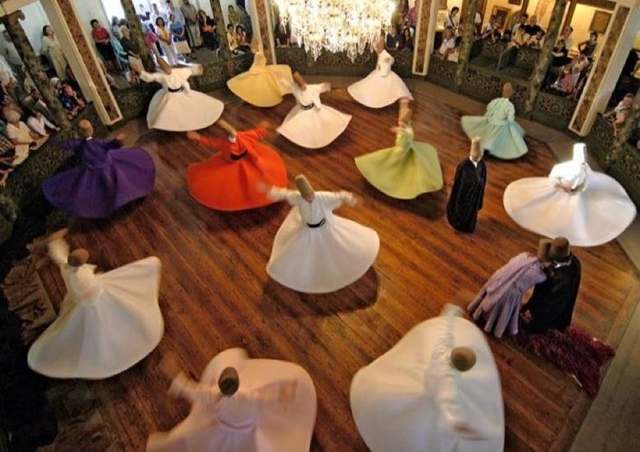
Konya & Istanbul · Turkey—13th-Century Rumi Sufi Order, Tennure White Skirt, Sikke Felt Hat & Ney Flute Ayin
✦UNESCO Masterpiece of Intangible Heritage (2005/2008)
Inspired by thirteenth-century mystic poet Jalal al-Din Muhammad Rumi in Konya, Semazen dervishes remove their black cloaks and revolve counter-clockwise around the heart with right palm raised to heaven and left palm turned to earth.
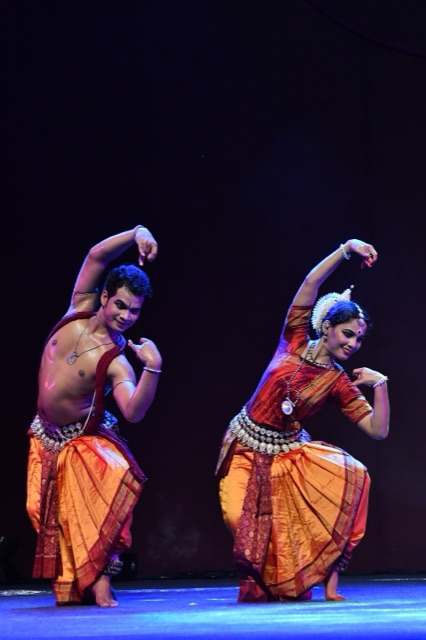
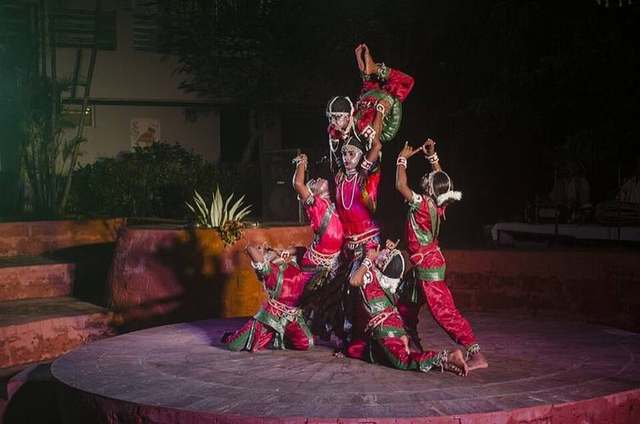
✦Sangeet Natak Akademi Classical Dance · Udayagiri Reliefs (2nd Century BCE)
Traced archaeologically to the second-century BCE Rani Gumpha cave reliefs of Udayagiri and sustained by Jagannath Temple Maharis and Gotipua acrobat-dancers, defined by the sculptural S-curve Tribhangi posture and square Chauka stance.
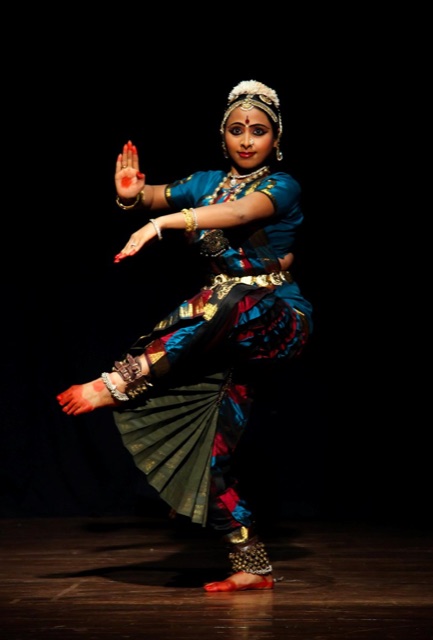
Thanjavur, Chidambaram & Chennai, Tamil Nadu · India—Natya Shastra Adavus, 108 Karanas, Abhinaya & Thanjavur Quartet Margam
✦Sangeet Natak Akademi Classical Dance of India
Rooted in the 2,000-year-old Natya Shastra and the sculpted 108 Karanas of Chidambaram Nataraja Temple, codified into the modern Alarippu-Jatiswaram-Varnam-Padam-Tillana Margam by the nineteenth-century Thanjavur Quartet.
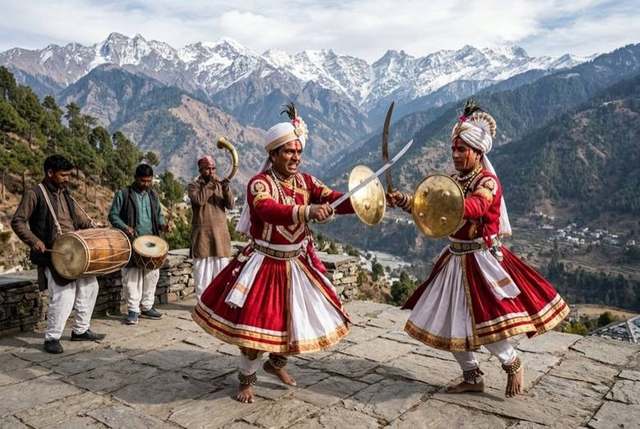
Martial and folk dance of eastern India performed during the spring Chaitra Parva festival in three regional schools: Seraikela, Mayurbhanj, and Purulia.
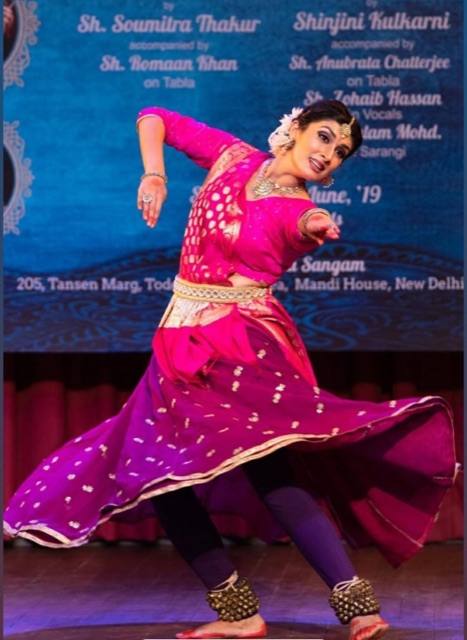
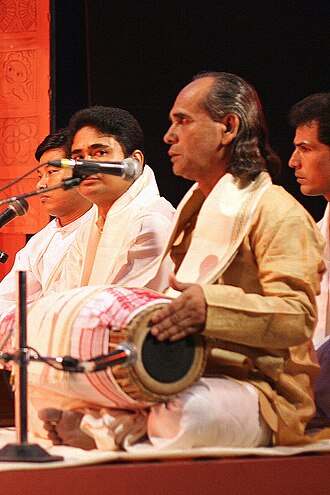
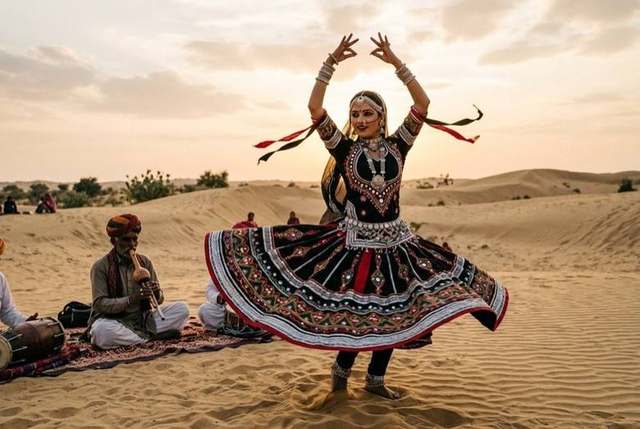
Evolving from ancient Kathakaar bard-dancers of the Gangetic temples and refined in Mughal and Awadhi courts, Kathak pairs razor-sharp lightning pirouettes (chakkars) and mathematical tabla-footwork dialogues (jugalbandi) with subtle Thumri abhinaya.
Majuli River Island & Nagaon, Assam · India—15th-Century Satra Monastic Mati-Akhora Exercises, Khol Drum & Borgeet Abhinaya
✦Sangeet Natak Akademi Classical Dance (Recognised 2000)
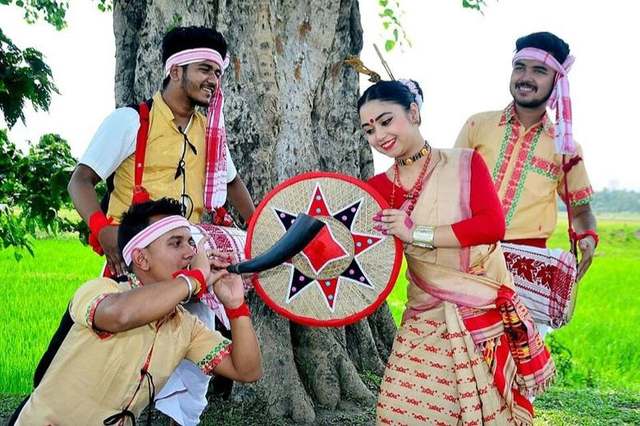
Created in the fifteenth century by polymath saint Srimanta Sankardeva inside Assam's Vaishnava Satra monasteries and preserved for five centuries by celibate Bhakat monks on Majuli Island through 64 gymnastic Mati-Akhora ground exercises.
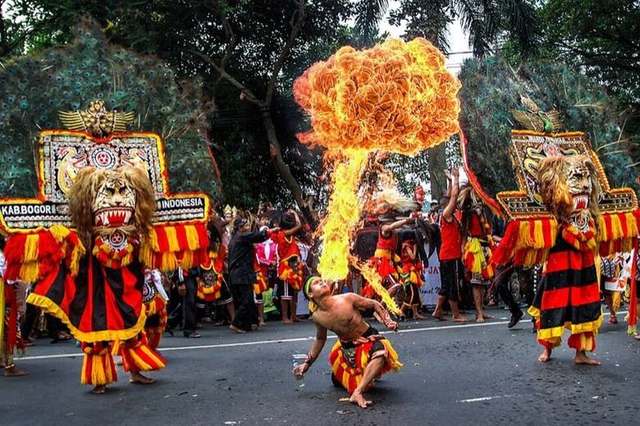
Ponorogo, East Java · Indonesia—Dance (15th century)
✦UNESCO Urgent Safeguarding (2024)
East Javanese open-air ritual dance drama anchored by the towering Singa Barong lion-peacock mask carried solely by the strength of the dancer's teeth.
Communal night festival of Brittany uniting hundreds of dancers in linked chain and circle dances driven by overlapping kan ha diskan a cappella singing and biniou-bombarde duos.
Kozhikode, Kannur & Thiruvananthapuram, Kerala · India—Dance (11th–12th century)
✦UNESCO National Inventory
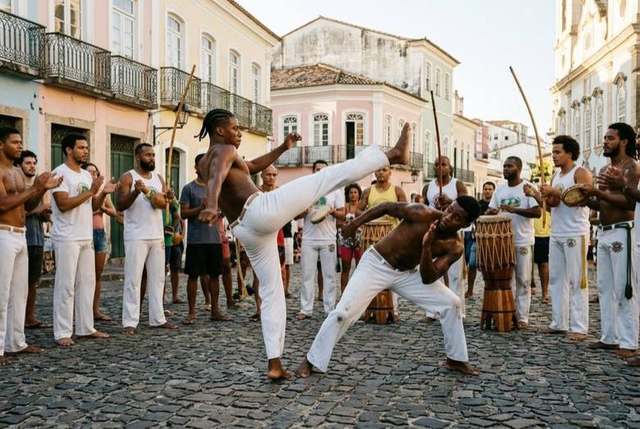
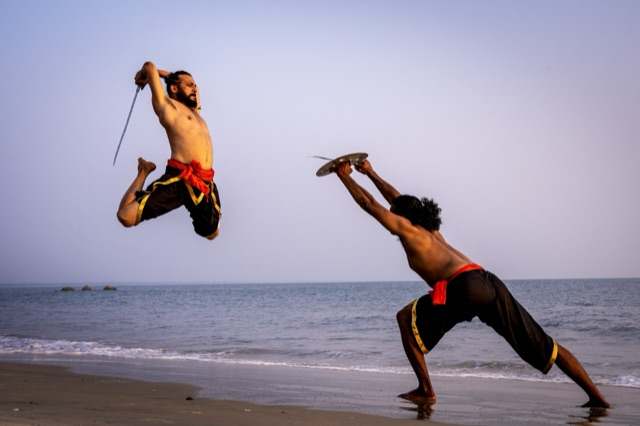
Ancient martial, therapeutic, and choreographic discipline of Kerala practised inside sunken earthen kalari gymnasiums, foundational to Kathakali, Theyyam, and Koodiyattam physical training.
Totonac ritual ceremony in which four flyers descend headfirst by ropes from a thirty-metre rotating pole while the caporal plays flute and drum atop the mast.
Quechua ritual competition dance of the southern Peruvian Andes performed with polished iron blades clashed in the dancer's right hand to violin and harp.
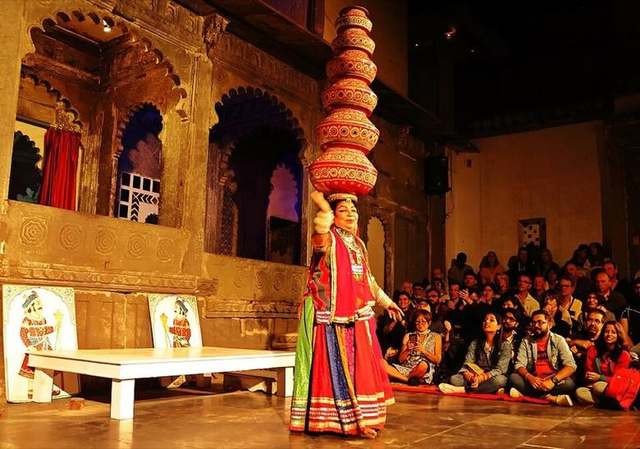
Rajasthani equilibrium dance in which women balance seven to eleven brass or earthen pitchers on their heads while pirouetting on the rim of a brass plate.
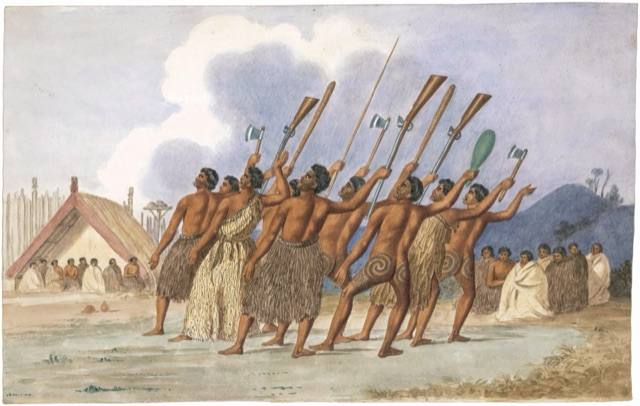
Rotorua, Waikato & East Coast, Aotearoa · New Zealand—Dance (Ancestral Polynesian / 1820 Ka Mate composition)
✦UNESCO National Inventory
Māori collective posture dance and rhythmic poetic chant performed on marae meeting grounds combining foot-stamping (waewae takahia), body percussion, facial expression (pūkana), and genealogical invocation.
WHAT: World Dance Traditions (Top 25) · 13th-Century Rumi Sufi Order, Tennure White Skirt, Sikke Felt Hat & Ney Flute Ayin · UNESCO Masterpiece of Intangible Heritage (2005/2008)
WHERE: Konya & Istanbul · Turkey (Middle East, Anatolia & Caucasus)
Inspired by thirteenth-century mystic poet Jalal al-Din Muhammad Rumi in Konya, Semazen dervishes remove their black cloaks and revolve counter-clockwise around the heart with right palm raised to heaven and left palm turned to earth.
WHAT: World Dance Traditions (Top 25) · Mahari & Gotipua Lineage, Three-Bend Tribhangi & Jayadeva Gita Govinda Ashtapadis · Sangeet Natak Akademi Classical Dance · Udayagiri Reliefs (2nd Century BCE)
WHERE: Puri, Bhubaneswar & Konark, Odisha · India (South Asia)
Traced archaeologically to the second-century BCE Rani Gumpha cave reliefs of Udayagiri and sustained by Jagannath Temple Maharis and Gotipua acrobat-dancers, defined by the sculptural S-curve Tribhangi posture and square Chauka stance.
WHAT: World Dance Traditions (Top 25) · Natya Shastra Adavus, 108 Karanas, Abhinaya & Thanjavur Quartet Margam · Sangeet Natak Akademi Classical Dance of India
WHERE: Thanjavur, Chidambaram & Chennai, Tamil Nadu · India (South Asia)
Rooted in the 2,000-year-old Natya Shastra and the sculpted 108 Karanas of Chidambaram Nataraja Temple, codified into the modern Alarippu-Jatiswaram-Varnam-Padam-Tillana Margam by the nineteenth-century Thanjavur Quartet.
WHAT: World Dance Traditions (Top 25) · Dance (18th century) · UNESCO Representative List (2010)
WHERE: Seraikela & Purulia · India (South Asia)
Martial and folk dance of eastern India performed during the spring Chaitra Parva festival in three regional schools: Seraikela, Mayurbhanj, and Purulia.
WHERE: Lucknow, Jaipur & Varanasi · India (South Asia)
Evolving from ancient Kathakaar bard-dancers of the Gangetic temples and refined in Mughal and Awadhi courts, Kathak pairs razor-sharp lightning pirouettes (chakkars) and mathematical tabla-footwork dialogues (jugalbandi) with subtle Thumri abhinaya.
WHERE: Majuli River Island & Nagaon, Assam · India (South Asia)
Created in the fifteenth century by polymath saint Srimanta Sankardeva inside Assam's Vaishnava Satra monasteries and preserved for five centuries by celibate Bhakat monks on Majuli Island through 64 gymnastic Mati-Akhora ground exercises.
WHAT: World Dance Traditions (Top 25) · Dance (15th century) · UNESCO Urgent Safeguarding (2024)
WHERE: Ponorogo, East Java · Indonesia (Southeast Asia)
East Javanese open-air ritual dance drama anchored by the towering Singa Barong lion-peacock mask carried solely by the strength of the dancer's teeth.
Communal night festival of Brittany uniting hundreds of dancers in linked chain and circle dances driven by overlapping kan ha diskan a cappella singing and biniou-bombarde duos.
WHAT: World Dance Traditions (Top 25) · Dance (11th–12th century) · UNESCO National Inventory
WHERE: Kozhikode, Kannur & Thiruvananthapuram, Kerala · India (South Asia)
Ancient martial, therapeutic, and choreographic discipline of Kerala practised inside sunken earthen kalari gymnasiums, foundational to Kathakali, Theyyam, and Koodiyattam physical training.
WHAT: World Dance Traditions (Top 25) · Dance (Pre-Columbian) · UNESCO Representative List (2009)
WHERE: Papantla, Veracruz · Mexico (Latin America & Andes)
Totonac ritual ceremony in which four flyers descend headfirst by ropes from a thirty-metre rotating pole while the caporal plays flute and drum atop the mast.
WHAT: World Dance Traditions (Top 25) · Dance (16th century) · UNESCO Representative List (2010)
WHERE: Ayacucho & Huancavelica · Peru (Latin America & Andes)
Quechua ritual competition dance of the southern Peruvian Andes performed with polished iron blades clashed in the dancer's right hand to violin and harp.
WHAT: World Dance Traditions (Top 25) · Dance (14th century) · UNESCO National Inventory
WHERE: Udaipur & Jodhpur, Rajasthan · India (South Asia)
Rajasthani equilibrium dance in which women balance seven to eleven brass or earthen pitchers on their heads while pirouetting on the rim of a brass plate.
WHAT: World Dance Traditions (Top 25) · Dance (Ancestral Polynesian / 1820 Ka Mate composition) · UNESCO National Inventory
WHERE: Rotorua, Waikato & East Coast, Aotearoa · New Zealand (North America & Oceania)
Māori collective posture dance and rhythmic poetic chant performed on marae meeting grounds combining foot-stamping (waewae takahia), body percussion, facial expression (pūkana), and genealogical invocation.
A free public archive of the world’s living and endangered cultural traditions — documented with primary sources, geographic coordinates, and open-licensed photography. Two rooms, one wall. The door is open.