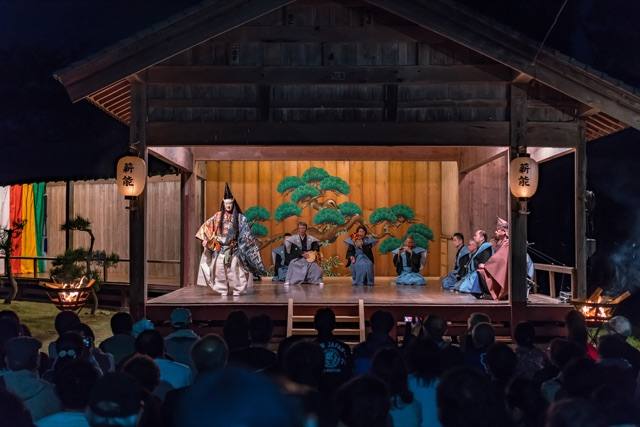


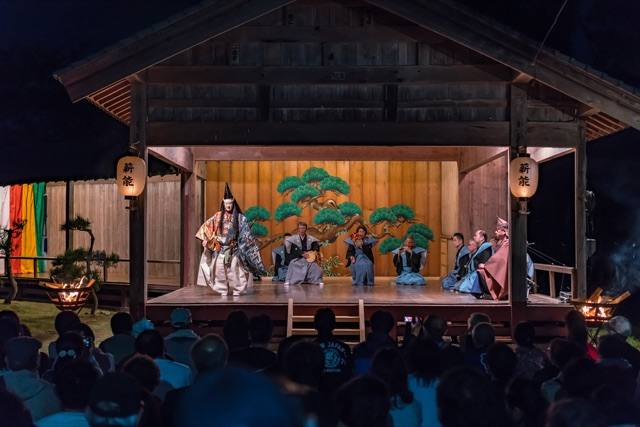
Nōgaku (Noh & Kyōgen) Classical Masked Drama
Codified in the 14th century by Kan'ami and Zeami Motokiyo, combining carved hinoki-cypress Omote masks, silk brocade...
Every entry shows What Is Ranked (Discipline Category, Lineage Form & Signature Creation) and Where It Belongs (Exact Locality, Country & Cultural Region), scored strictly against same-category peers.
Osaka, Japan
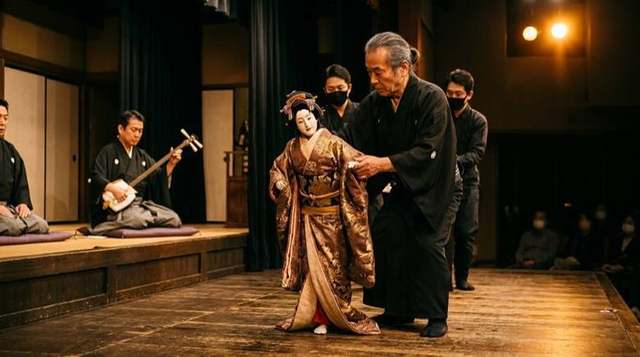
Edo-period Osaka chanter who founded the Takemoto-za puppet playhouse in 1684 and originated Bunraku's dramatic Gidayū-bushi vocal school.
Madhubani, India
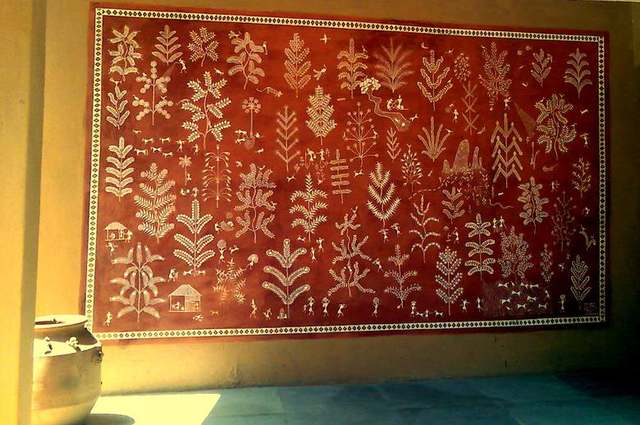
Jitwarpur cosmological painter celebrated for Nag-Kanya serpent deities and sixty years of fine double-line Mithila narrative brushwork.
Nirona, Kutch, Gujarat, India
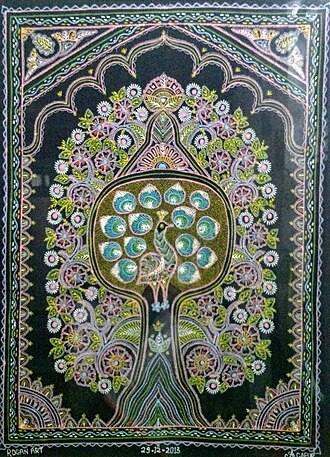
Eighth-generation Nirona stylus-paste artisan in Kutch who rescued boiled castor-oil Rogan cloth craft and trained rural women practitioners.
Niafunké, Mali
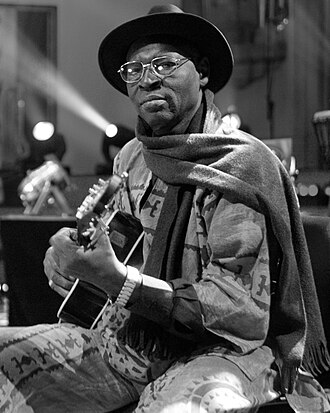
Niafunké-raised Malian master of Niger-Bend Songhai/Fulani ngoni, njarka fiddle, and desert guitar whose creations include Savane, Talking Timbuktu, and Ai Du.
Kottarakkara, India
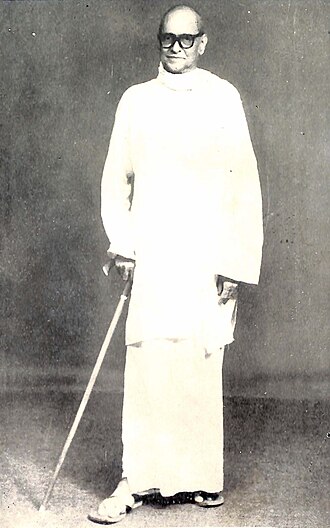
Malayalam poet and institutional architect who co-founded Kerala Kalamandalam in 1930 to safeguard Kathakali, Mohiniyattam, and Koodiyattam.
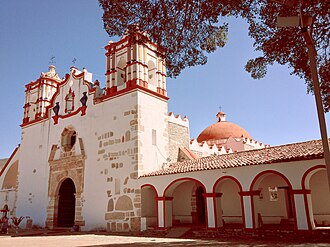
Teotitlán del Valle, Oaxaca, Mexico
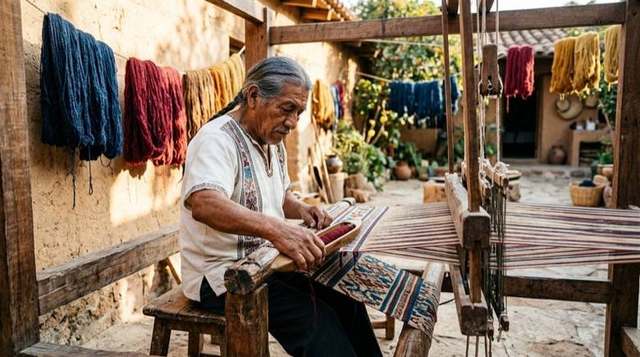
Zapotec ethnobotanical dyer and pedal-loom weaver in Teotitlán del Valle, Oaxaca, reviving wild Sierra Norte plant, indigo, and cochineal palettes.
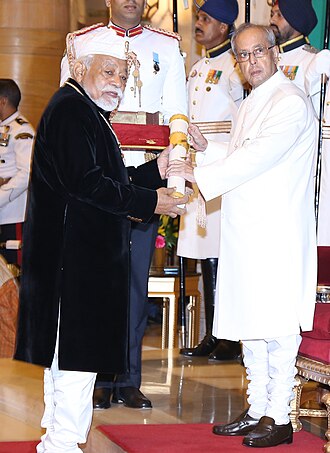
Lucknow, Uttar Pradesh, India
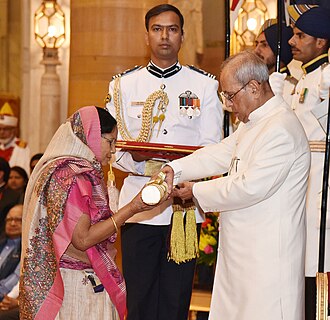
Lucknow rakabdar banquet patriarch who revived dough-sealed copper-deg Awadhi Dum Pukht slow-steaming and became the first chef awarded the Padma Shri.
Saran, Bihar, India
Kutubpur-born Bhojpuri dramatist, lyricist, and social reformer revered as the 'Shakespeare of Bhojpuri' and creator of Bidesiya folk theatre.
Explore the Top 25 traditions in every category ranked on 4 archival measures + your live vote.
Teejan Bai, Bhikhari Thakur, Lakha Khan, Gulabo Sapera, Jivya Soma Mashe, and 20 more masters.
Guess today’s living tradition in 4 clues, share your WhatsApp score, and practice topic quizzes.
Structured reference tables with 1-click CSV, Markdown, and Printable PDF revision sheets.
Compare Kathakali vs Yakshagana, Bharatanatyam vs Odissi, Kalamkari vs Madhubani, and more.
Master Mudra, Gharana, Raga, Dhokra, and GI tags, or flip interactive study flashcards.
Every living tradition in Folkroom carries a printable vector wall plaque with an archival QR code. Free for cultural institutions, master guilds, and field researchers to print and display under CC BY-SA 4.0.
| National / Regional / Global Rank | Tradition or Master Artist | What Is Ranked (Category & Form) | Where It Belongs (Locality & Region) | Score |
|---|---|---|---|---|
| #1 Japan · #1 East Asia · Global #2 | Nōgaku (Noh & Kyōgen) Classical Masked Drama | 14th-Century Cypress-Mask Dance-Drama (World Theatre, Puppetry & Opera) | Kyoto & Tokyo, Japan (East Asia) | 97.5/100 |
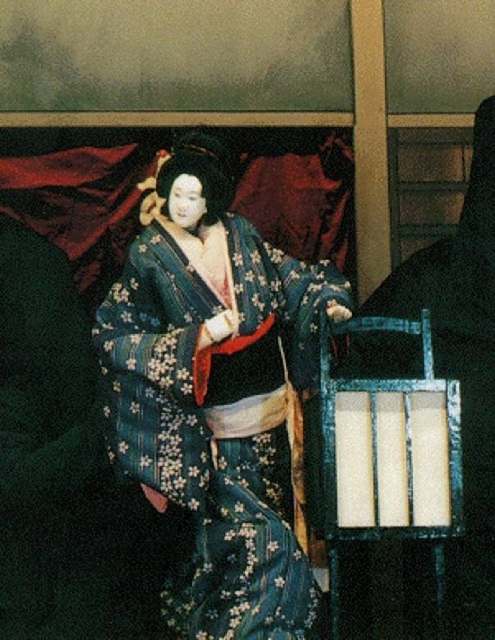
| #2 Japan · #3 East Asia · Global #4 | Ningyō Jōruri Bunraku Puppet Theatre | Three-Operator Classical Puppet Drama (World Theatre, Puppetry & Opera) | Osaka, Japan (East Asia) | 97/100 |
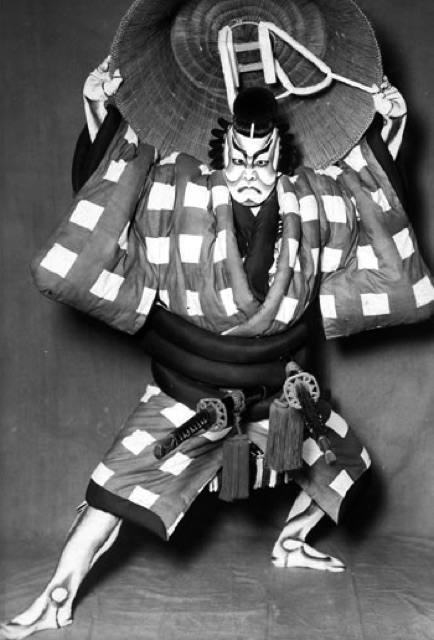
| #3 Japan · #4 East Asia · Global #5 | Kabuki Classical Stage Theatre | Edo-Period Kumadori & Revolving-Stage Drama (World Theatre, Puppetry & Opera) | Kyoto, Edo (Tokyo) & Osaka, Japan (East Asia) | 97/100 |
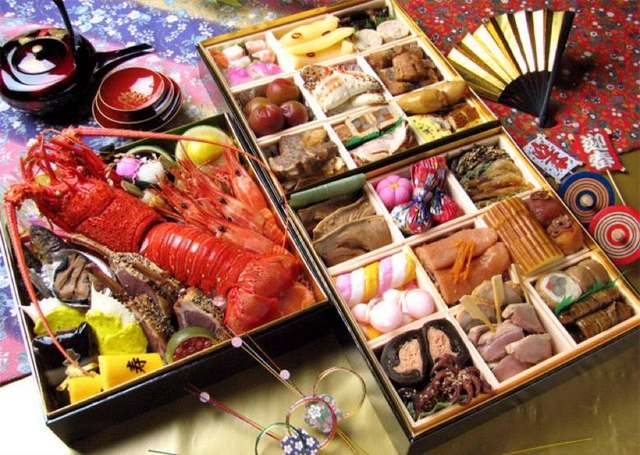
| #4 Japan · #7 East Asia · Global #3 | Washoku — Traditional Seasonal Dietary Cultures of the Japanese | Ichiju-Sansai (One Soup, Three Sides), Dashi Umami & Osechi-Ryori (World Culinary & Feast Heritage) | Kyoto, Tokyo, Kanazawa & Nationwide, Japan (East Asia) | 96/100 |
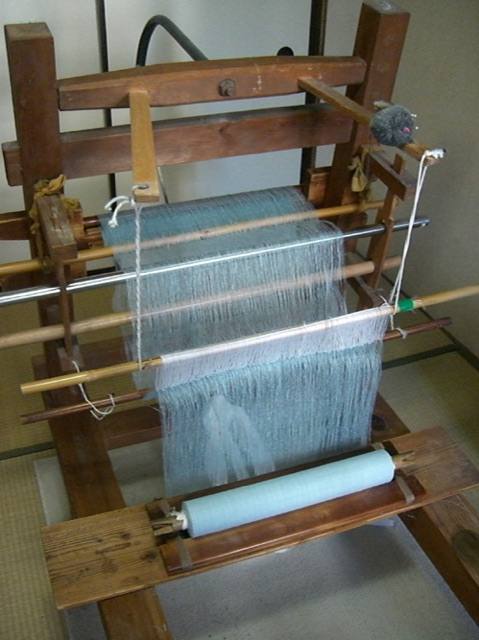
| #5 Japan · #10 East Asia · Global #8 | Yūki-tsumugi Hand-Spun Floss-Silk & Kasuri Ikat Weaving | Un-twisted Mawata Silk, Tie-Dyed Kasuri & Backstrap Jibata (World Handloom & Textiles) | Yūki (Ibaraki) & Oyama (Tochigi), Japan (East Asia) | 94/100 |
| #6 Japan · #11 East Asia · Global #18 | Takemoto Gidayū (1651–1714) | Gidayū-bushi Narrative Chant for Bunraku Puppet Theatre · Tayu Dramatic Chant & Futozao Shamisen · Founded Takemoto-za (1684) and codified Gidayū-bushi narrative music with playwright Chikamatsu Monzaemon (Sonezaki Shinjū) (Global World Music Masters) | Dotonbori, Osaka, Japan (East Asia) | 93.5/100 |
| #7 Japan · #14 East Asia · Global #20 | Wajima-nuri 124-Step Jinoko Earth & Urushi Lacquerware | Diatomaceous Jinoko Earth Undercoat & Chinkin Gold Inlay (World Crafts, Ceramics & Metallurgy) | Wajima (Noto Peninsula), Ishikawa Prefecture, Japan (East Asia) | 92/100 |
Primary dossier coverage for Japan spans 3 canonical traditions with verified geographic coordinates, UNESCO statuses, instruments, and materials.
The Japan edition highlights Bunraku Puppet Theatre, Noh Theatre, Kabuki Theatre, alongside regional folk music, dance-drama, textiles, and craft traditions documented with primary citations under CC BY-SA 4.0.
Documented instruments and materials across Japan include Futozao Shamisen, Hyōshigi wooden clappers, Japanese cypress (hinoki), Nishijin silk brocade, Whalebone springs, Nohkan transverse flute, Kotsuzumi shoulder drum, Ōtsuzumi hip drum.
No. Every edition on folkroom.org is an open, bookmarkable URL (/edition/...) that orders the archive for regional discovery without setting tracking cookies or restricting access to the global corpus.
Living Traditions of Japan Japan की पारंपरिक शिल्प, धातु और हस्तकला से जुड़ी एक जीवित परंपरा है। प्रमुख वाद्य एवं सामग्री: Futozao Shamisen, Hyōshigi wooden clappers, Nohkan transverse flute। यह प्रलेख फ़ोकरूम (folkroom) सार्वजनिक अभिलेखागार में CC BY-SA 4.0 के अंतर्गत उपलब्ध है।
Living Traditions of Japan என்பது Japan பகுதியைச் சேர்ந்த பாரம்பரிய கைவினை மற்றும் உலோகக் கலை மரபாகும். கருவிகள் மற்றும் பொருட்கள்: Futozao Shamisen, Hyōshigi wooden clappers, Nohkan transverse flute. folkroom பொது ஆவணக் காப்பகத்தில் (CC BY-SA 4.0) ஆதாரங்களுடன் பதிவு செய்யப்பட்டுள்ளது.
Living Traditions of Japan হলো Japan অঞ্চলের ঐতিহ্যবাহী কারুশিল্প ও ধাতব শিল্প ধারার একটি জীবন্ত ঐতিহ্য। ব্যবহৃত বাদ্যযন্ত্র ও উপকরণ: Futozao Shamisen, Hyōshigi wooden clappers, Nohkan transverse flute। ফোকরুম (folkroom) উন্মুক্ত আর্কাইভে (CC BY-SA 4.0) প্রামাণ্য সূত্রসহ সংরক্ষিত।
Living Traditions of Japan es una tradición viva de artesanía tradicional y oficio material documentada en Japan. Elementos documentados: Futozao Shamisen, Hyōshigi wooden clappers, Nohkan transverse flute. Registro público de acceso abierto en folkroom (CC BY-SA 4.0).
Living Traditions of Japan est une tradition vivante de artisanat traditionnel et savoir-faire matériel originaire de Japan. Instruments et matériaux attestés : Futozao Shamisen, Hyōshigi wooden clappers, Nohkan transverse flute. Dossier documentaire en libre accès sur folkroom (CC BY-SA 4.0).
Living Traditions of Japan é uma tradição viva de artesanato tradicional e ofício material documentada em Japan. Instrumentos e materiais registrados: Futozao Shamisen, Hyōshigi wooden clappers, Nohkan transverse flute. Arquivo público aberto no folkroom (CC BY-SA 4.0).
Living Traditions of Japanは、Japanに伝わる伝統工芸・民俗技術の生きた伝統文化です。関連する楽器・素材:Futozao Shamisen, Hyōshigi wooden clappers, Nohkan transverse flute。folkroom公開アーカイブ(CC BY-SA 4.0)にて一次資料とともに記録されています。
Living Traditions of Japan은(는) Japan 지역에서 전승되는 전통 공예 및 물질 전승 전통입니다. 주요 악기 및 재료: Futozao Shamisen, Hyōshigi wooden clappers, Nohkan transverse flute. folkroom 공개 아카이브(CC BY-SA 4.0)에 출처와 함께 기록되어 있습니다.
Living Traditions of Japan adalah tradisi hidup kerajinan tradisional dan kriya rakyat yang terdokumentasi di Japan. Instrumen dan material terkait: Futozao Shamisen, Hyōshigi wooden clappers, Nohkan transverse flute. Arsip publik akses terbuka di folkroom (CC BY-SA 4.0).
Living Traditions of Japan هو تقليد حي من الحرف التقليدية والفنون المادية موثق في Japan. الأدوات والمواد الموثقة: Futozao Shamisen, Hyōshigi wooden clappers, Nohkan transverse flute. سجل عام مفتوح الوصول على أرشيف فولكروم (CC BY-SA 4.0).