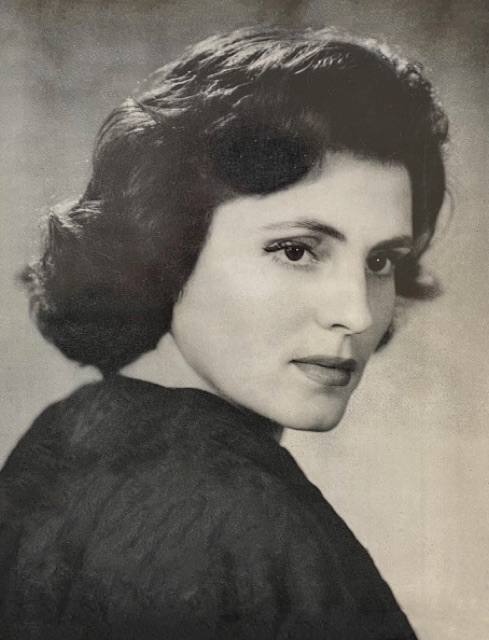



Amália Rodrigues (1920–1999)
Signature Creations: Uma Casa Portuguesa, Estranha Forma de Vida, Barco Negro, Povo Que Lavas no Rio, Gaivota.
Every entry shows What Is Ranked (Discipline Category, Lineage Form & Signature Creation) and Where It Belongs (Exact Locality, Country & Cultural Region), scored strictly against same-category peers.
Lisbon, Portugal
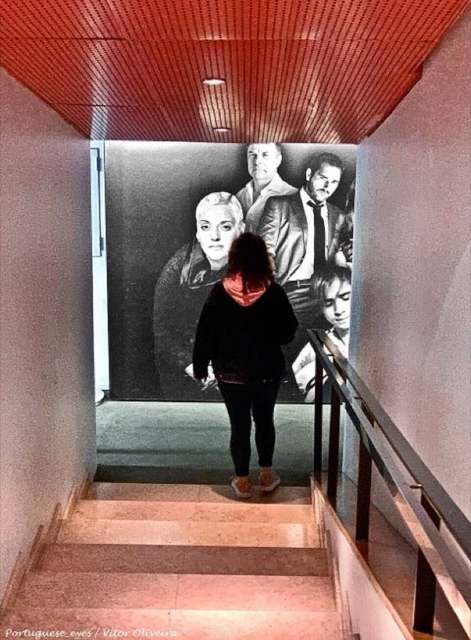
Lisbon-born 'Rainha do Fado' (Queen of Fado) whose recordings—Estranha Forma de Vida, Barco Negro, and Uma Casa Portuguesa—defined UNESCO-inscribed Portuguese Fado.
Lucknow, Uttar Pradesh, India
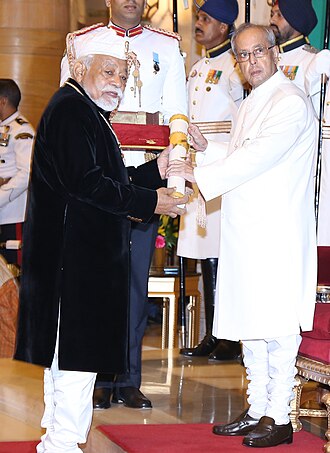
Lucknow rakabdar banquet patriarch who revived dough-sealed copper-deg Awadhi Dum Pukht slow-steaming and became the first chef awarded the Padma Shri.
Nirona, Kutch, Gujarat, India
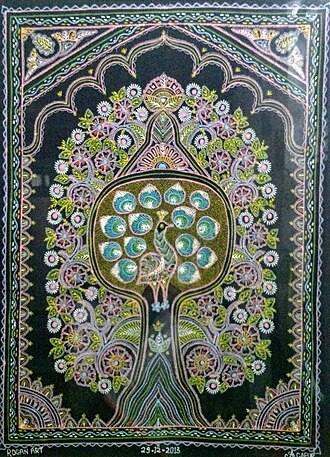
Eighth-generation Nirona stylus-paste artisan in Kutch who rescued boiled castor-oil Rogan cloth craft and trained rural women practitioners.
Patangarh, Madhya Pradesh, India
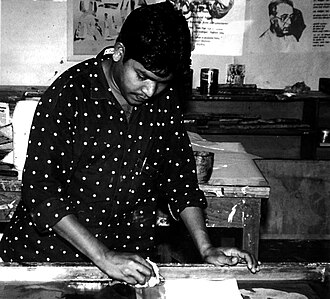
Patangarh Pardhan Gond bana-bard and painter whose dot-and-scale visual grammar founded the contemporary Jangarh Kalam movement.
Saran, Bihar, India
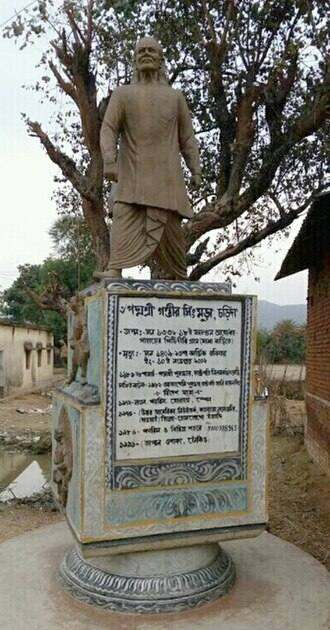
Kutubpur-born Bhojpuri dramatist, lyricist, and social reformer revered as the 'Shakespeare of Bhojpuri' and creator of Bidesiya folk theatre.
Jammu & Mumbai, India
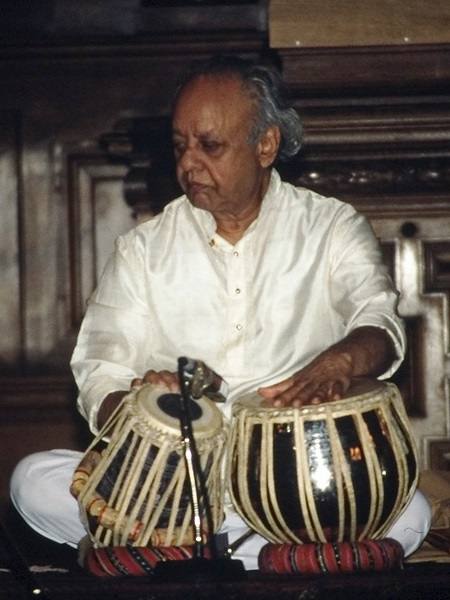
Phagwal-born Punjab Gharana Tabla maestro and disciple of Mian Kader Baksh who elevated tabla accompaniment and solo layakari on global stages; Padma Shri (1977).
Purulia, West Bengal, India
Bamni village Purulia Chhau virtuoso celebrated for high-altitude masked martial leaps as Mahishasuramardini and Abhimanyu.
Phulia, West Bengal, India
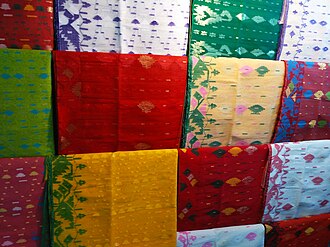
Phulia pit-loom weaver of Nadia district, West Bengal, celebrated for narrative extra-weft Tangail and sheer Jamdani muslin saris.
Classical dance-drama of Kerala told entirely through mudra hand-gestures, facial expression, and perc…
Two-thousand-year-old Sanskrit temple drama of Kerala performed inside Koothambalam theatre halls by C…
Ancient martial, therapeutic, and choreographic discipline of Kerala practised inside sunken earthen k…
Filterable state-wise & global master tables with UNESCO years, instruments, gharanas, and 1-click PDF/CSV cheat-sheets.
Explore the Top 25 traditions in every category ranked on 4 archival measures + your live vote.
Teejan Bai, Bhikhari Thakur, Lakha Khan, Gulabo Sapera, Jivya Soma Mashe, and 20 more masters.
Guess today’s living tradition in 4 clues, practice topic quizzes, and download a QR-verified Scholar Certificate.
Structured reference tables with 1-click CSV, Markdown, and Printable PDF revision sheets.
Compare Kathakali vs Yakshagana, Bharatanatyam vs Odissi, Kalamkari vs Madhubani, and more.
Master Mudra, Gharana, Raga, Dhokra, and GI tags, or flip interactive study flashcards.
Every living tradition in Folkroom carries a printable vector wall plaque with an archival QR code. Free for cultural institutions, master guilds, and field researchers to print and display under CC BY-SA 4.0.
| National / Regional / Global Rank | Tradition or Master Artist | What Is Ranked (Category & Form) | Where It Belongs (Locality & Region) | Score |
|---|---|---|---|---|
| #1 Portugal · #3 Europe & Mediterranean · Global #4 | Amália Rodrigues (1920–1999) | UNESCO-Inscribed Portuguese Urban Fado · Fado Vocal (accompanied by Guitarra Portuguesa & Viola de Fado) · Uma Casa Portuguesa (Global World Music Masters) | Lisbon (Alfama & Mouraria), Portugal (Europe & Mediterranean) | 98/100 |
| #2 Portugal · #5 Europe & Mediterranean · Global #5 | Fado — Urban Popular Song of Lisbon & Coimbra |
| 12-String Guitarra Portuguesa & Saudade Maritime Ballad (World Music & Oral Epics) |
| Alfama, Mouraria & Bairro Alto, Lisbon, Portugal (Europe & Mediterranean) |
| 97/100 |
Primary dossier coverage for Portugal spans 1 canonical tradition with verified geographic coordinates, UNESCO statuses, instruments, and materials.
The Portugal edition highlights Fado Urban Popular Song, alongside regional folk music, dance-drama, textiles, and craft traditions documented with primary citations under CC BY-SA 4.0.
Documented instruments and materials across Portugal include Guitarra portuguesa (12-string lute), Viola de fado (classical guitar), Bajo acústico, Spruce & rosewood soundboard, Black woollen xale (shawl).
No. Every edition on folkroom.org is an open, bookmarkable URL (/edition/...) that orders the archive for regional discovery without setting tracking cookies or restricting access to the global corpus.
Living Traditions of Portugal Portugal की पारंपरिक लोक संगीत और वाद्य परंपरा से जुड़ी एक जीवित परंपरा है। प्रमुख वाद्य एवं सामग्री: Guitarra portuguesa (12-string lute), Viola de fado (classical guitar), Bajo acústico। यह प्रलेख फ़ोकरूम (folkroom) सार्वजनिक अभिलेखागार में CC BY-SA 4.0 के अंतर्गत उपलब्ध है।
Living Traditions of Portugal என்பது Portugal பகுதியைச் சேர்ந்த பாரம்பரிய நாட்டுப்புற இசை மற்றும் இசைக்கருவி மரபு மரபாகும். கருவிகள் மற்றும் பொருட்கள்: Guitarra portuguesa (12-string lute), Viola de fado (classical guitar), Bajo acústico. folkroom பொது ஆவணக் காப்பகத்தில் (CC BY-SA 4.0) ஆதாரங்களுடன் பதிவு செய்யப்பட்டுள்ளது.
Living Traditions of Portugal হলো Portugal অঞ্চলের ঐতিহ্যবাহী লোকসংগীত ও বাদ্যযন্ত্রের ধারা ধারার একটি জীবন্ত ঐতিহ্য। ব্যবহৃত বাদ্যযন্ত্র ও উপকরণ: Guitarra portuguesa (12-string lute), Viola de fado (classical guitar), Bajo acústico। ফোকরুম (folkroom) উন্মুক্ত আর্কাইভে (CC BY-SA 4.0) প্রামাণ্য সূত্রসহ সংরক্ষিত।
Living Traditions of Portugal es una tradición viva de música tradicional y arte sonoro documentada en Portugal. Elementos documentados: Guitarra portuguesa (12-string lute), Viola de fado (classical guitar), Bajo acústico. Registro público de acceso abierto en folkroom (CC BY-SA 4.0).
Living Traditions of Portugal est une tradition vivante de musique traditionnelle et art vocal originaire de Portugal. Instruments et matériaux attestés : Guitarra portuguesa (12-string lute), Viola de fado (classical guitar), Bajo acústico. Dossier documentaire en libre accès sur folkroom (CC BY-SA 4.0).
Living Traditions of Portugal é uma tradição viva de música tradicional e arte sonora documentada em Portugal. Instrumentos e materiais registrados: Guitarra portuguesa (12-string lute), Viola de fado (classical guitar), Bajo acústico. Arquivo público aberto no folkroom (CC BY-SA 4.0).
Living Traditions of Portugalは、Portugalに伝わる伝統音楽・民俗音楽の生きた伝統文化です。関連する楽器・素材:Guitarra portuguesa (12-string lute), Viola de fado (classical guitar), Bajo acústico。folkroom公開アーカイブ(CC BY-SA 4.0)にて一次資料とともに記録されています。
Living Traditions of Portugal은(는) Portugal 지역에서 전승되는 전통 음악 및 성악 예술 전통입니다. 주요 악기 및 재료: Guitarra portuguesa (12-string lute), Viola de fado (classical guitar), Bajo acústico. folkroom 공개 아카이브(CC BY-SA 4.0)에 출처와 함께 기록되어 있습니다.
Living Traditions of Portugal adalah tradisi hidup musik tradisional dan seni suara yang terdokumentasi di Portugal. Instrumen dan material terkait: Guitarra portuguesa (12-string lute), Viola de fado (classical guitar), Bajo acústico. Arsip publik akses terbuka di folkroom (CC BY-SA 4.0).
Living Traditions of Portugal هو تقليد حي من الموسيقى التقليدية والفنون الصوتية موثق في Portugal. الأدوات والمواد الموثقة: Guitarra portuguesa (12-string lute), Viola de fado (classical guitar), Bajo acústico. سجل عام مفتوح الوصول على أرشيف فولكروم (CC BY-SA 4.0).
A free public archive of the world’s living and endangered cultural traditions — documented with primary sources, geographic coordinates, and open-licensed photography. Two rooms, one wall. The door is open.
folkroom — Archive of Living Traditions · Text CC BY-SA 4.0 · Images credited & licensed individually
Open commons: Wikimedia Commons · UNESCO ICH · Openverse · Flickr CC · Wikidata · No trackers · No ads